Guide
Haircare Product Photography Ideas
Haircare product photography ideas for ecommerce teams creating PDP images, routine shots, styling visuals, ads, and campaign creative.
- Guides
- Product Photography Ideas

Examples
Scenes from the Riverflow library
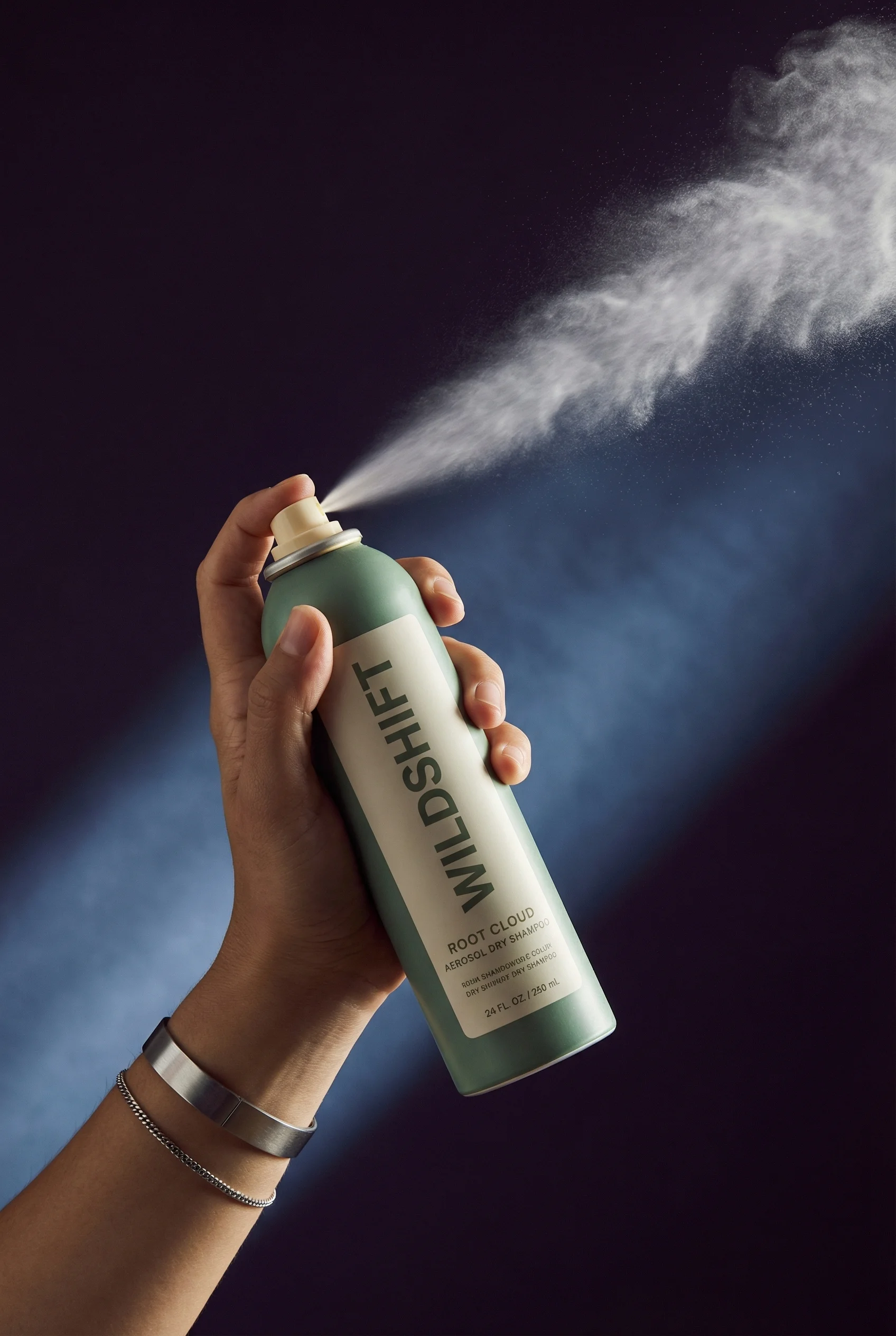
Spray action gives the gallery movement and usage clarity.
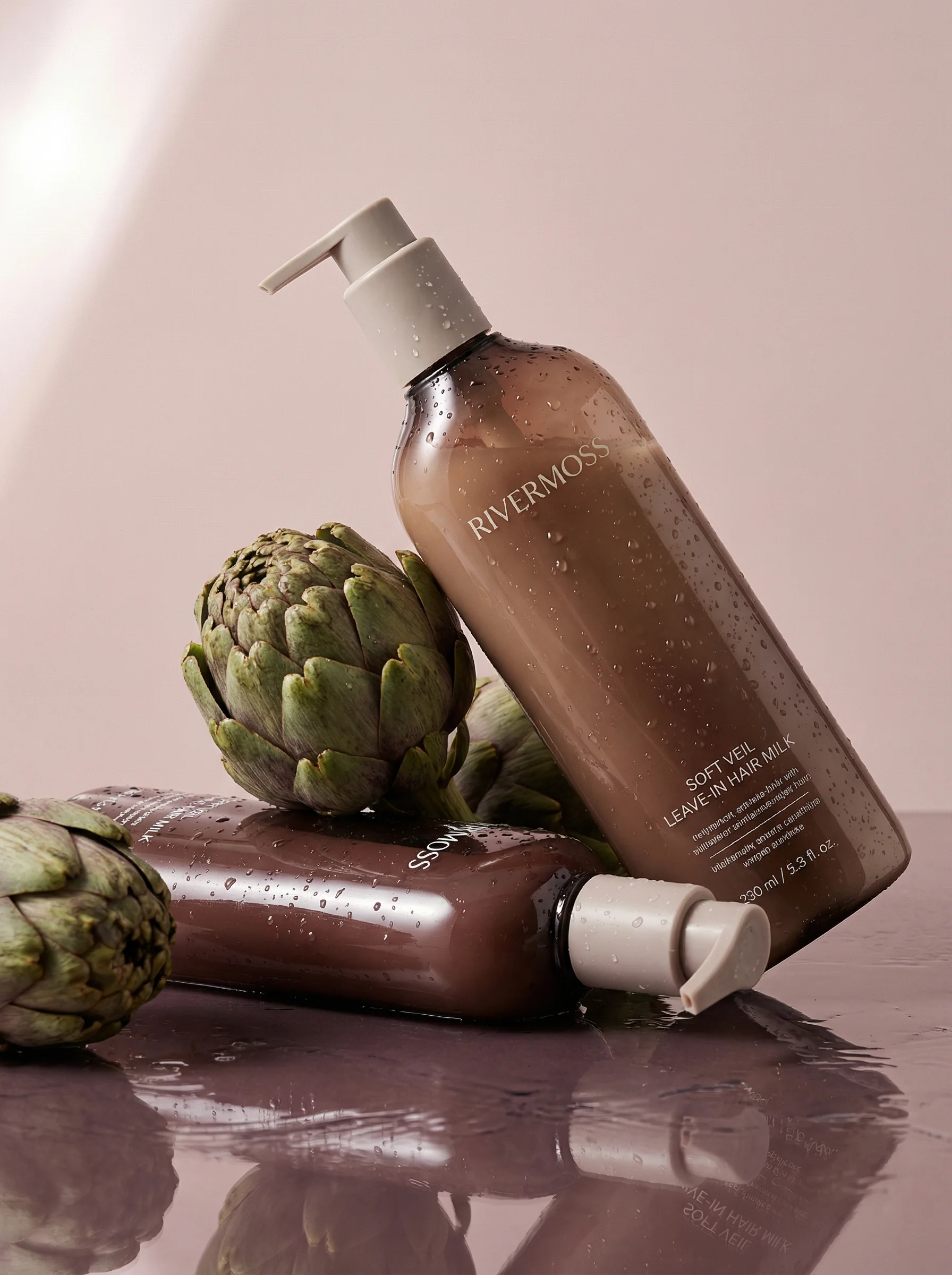
Botanical studio styling supports ingredient-led formulas.
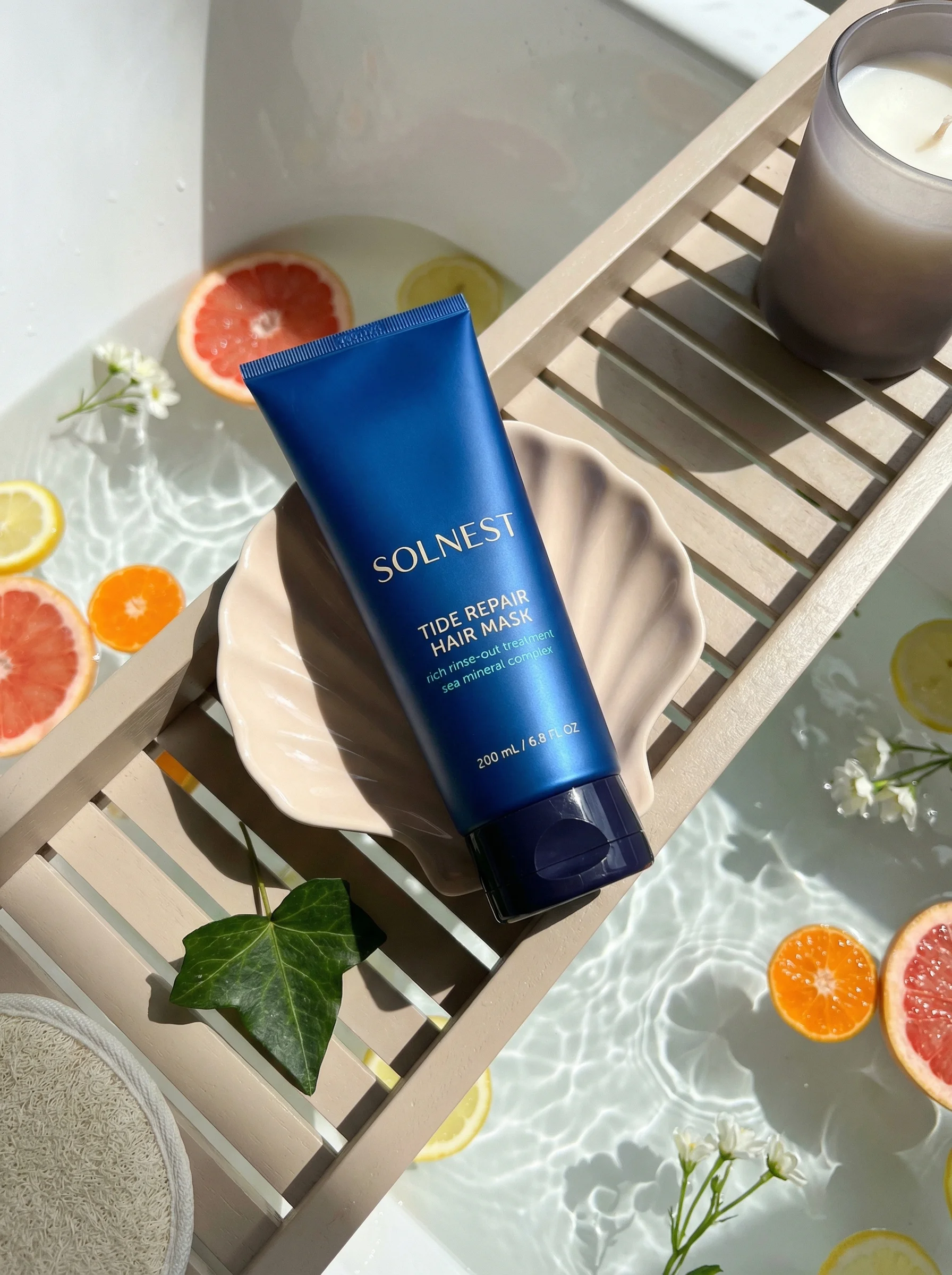
Real bathroom setting connects haircare to a spa routine.
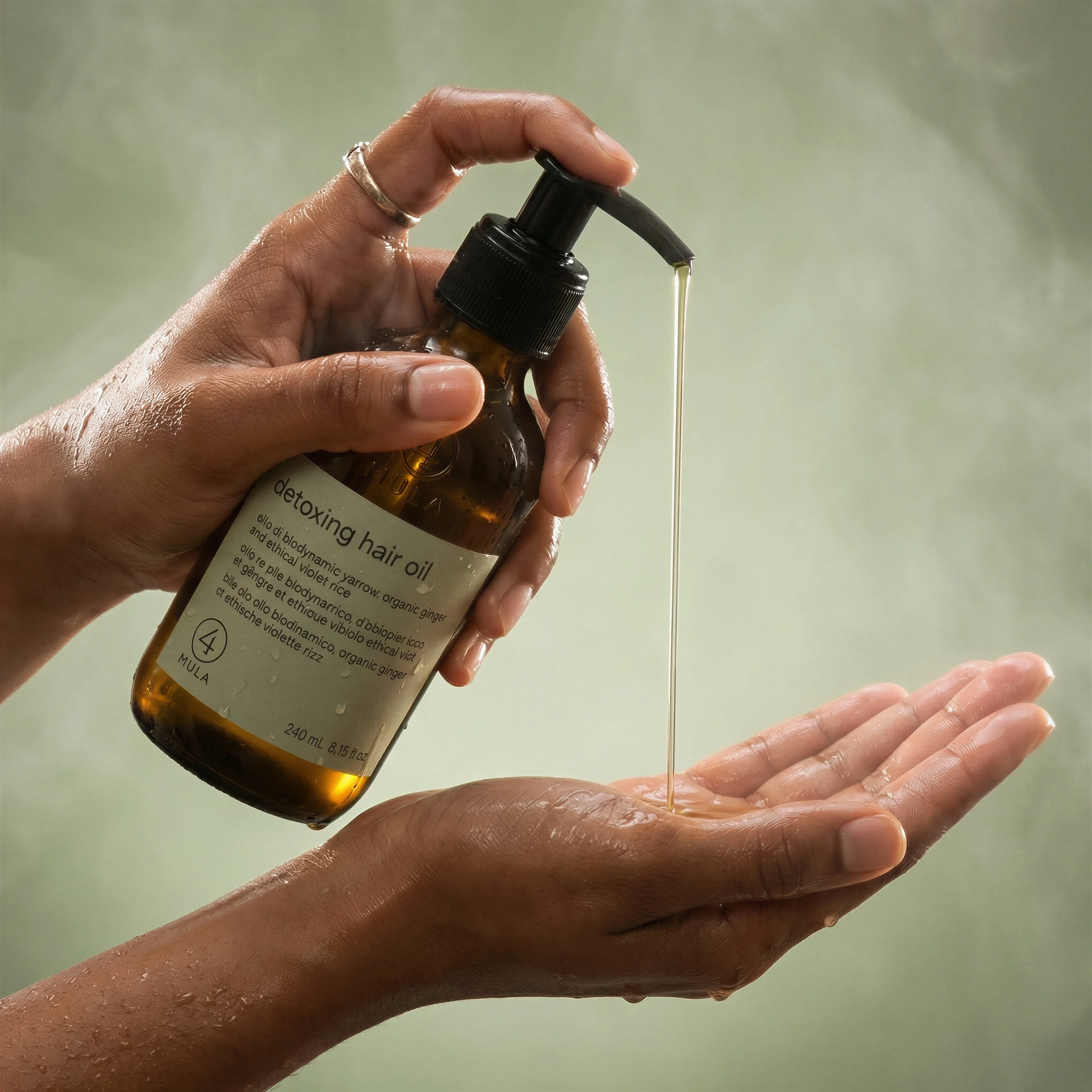
Application shot makes treatment benefits and usage steps immediately legible.
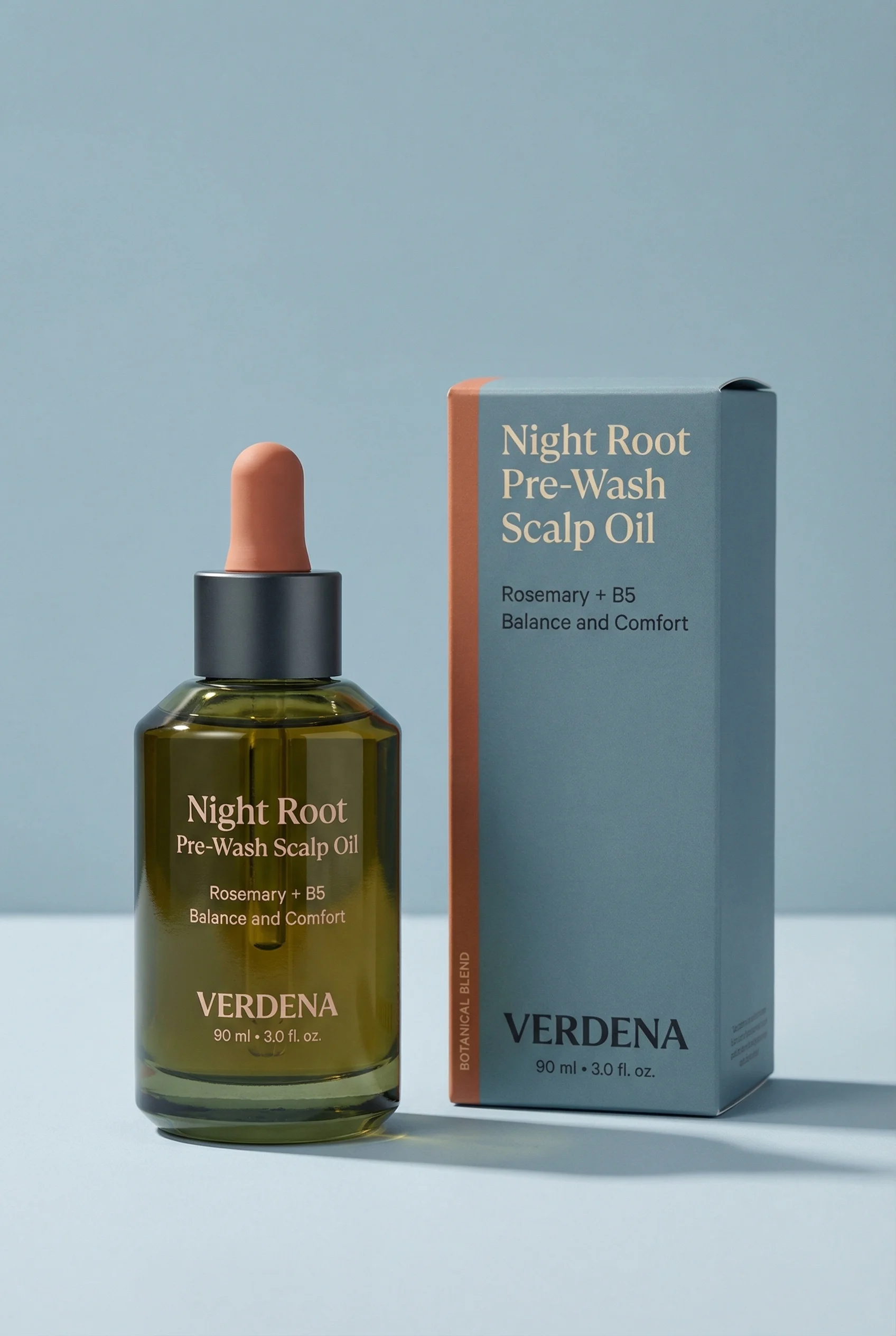
Clean duo composition adds merchandising range without distracting from packaging.
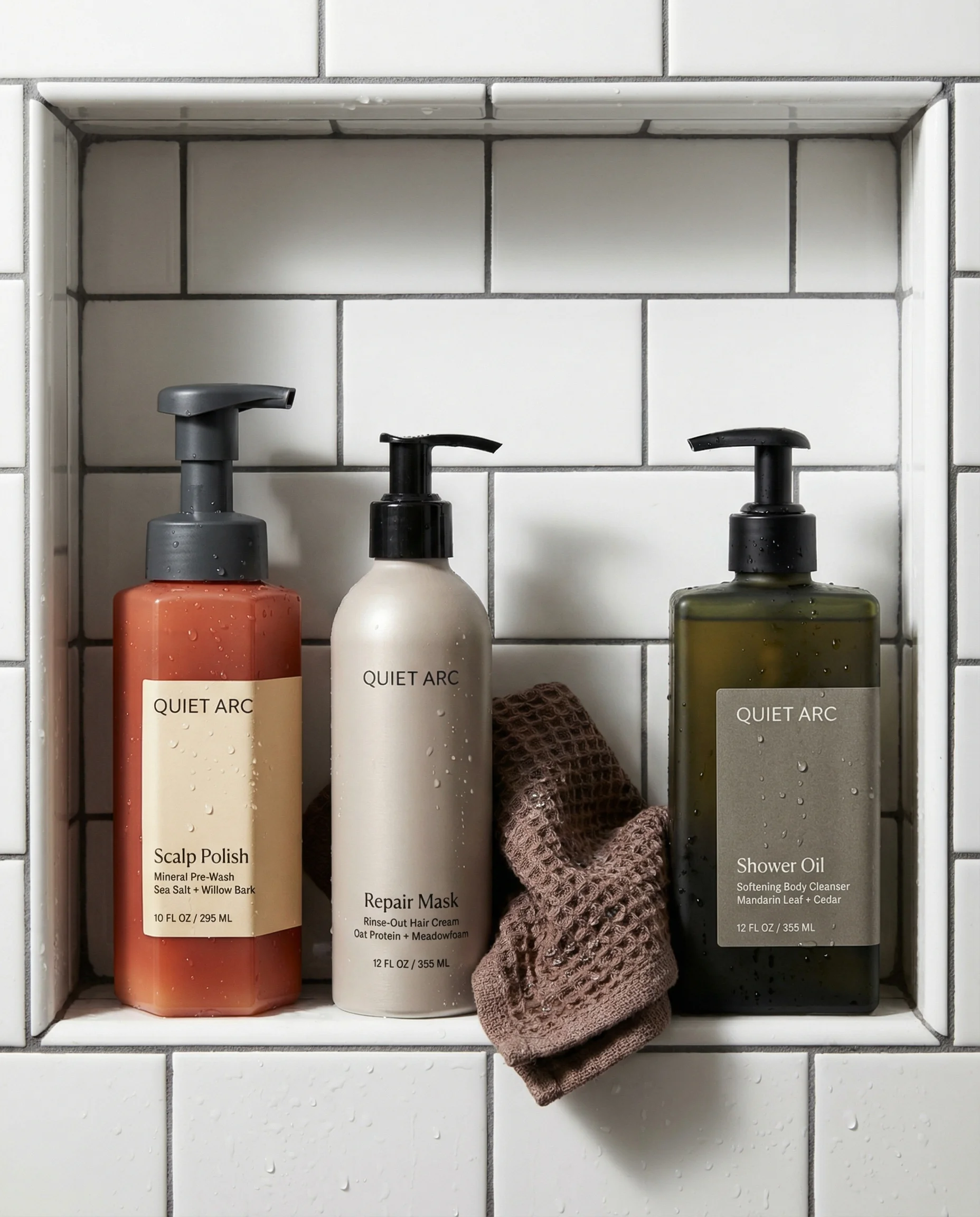
Shower niche setup connects multiple products to an everyday wash routine.
Haircare product photography has to connect the bottle on the shelf with the hair goal in the shopper's mind. A shampoo, mask, oil, dry shampoo, or styling cream needs clear packaging evidence, but the image set should also suggest routine, texture, movement, hold, softness, or shine.
For the broader gallery plan, pair this with an ecommerce product photography shot list. Tall bottle SKUs usually need a strict product-on-white photography anchor, while oils, masks, sprays, and curl creams benefit from focused detail product photography.
Shot ideas for haircare brands
Visual playbook
Haircare visual playbook
Choose scenes that explain format, routine, and hair goal while keeping the packaging visible.
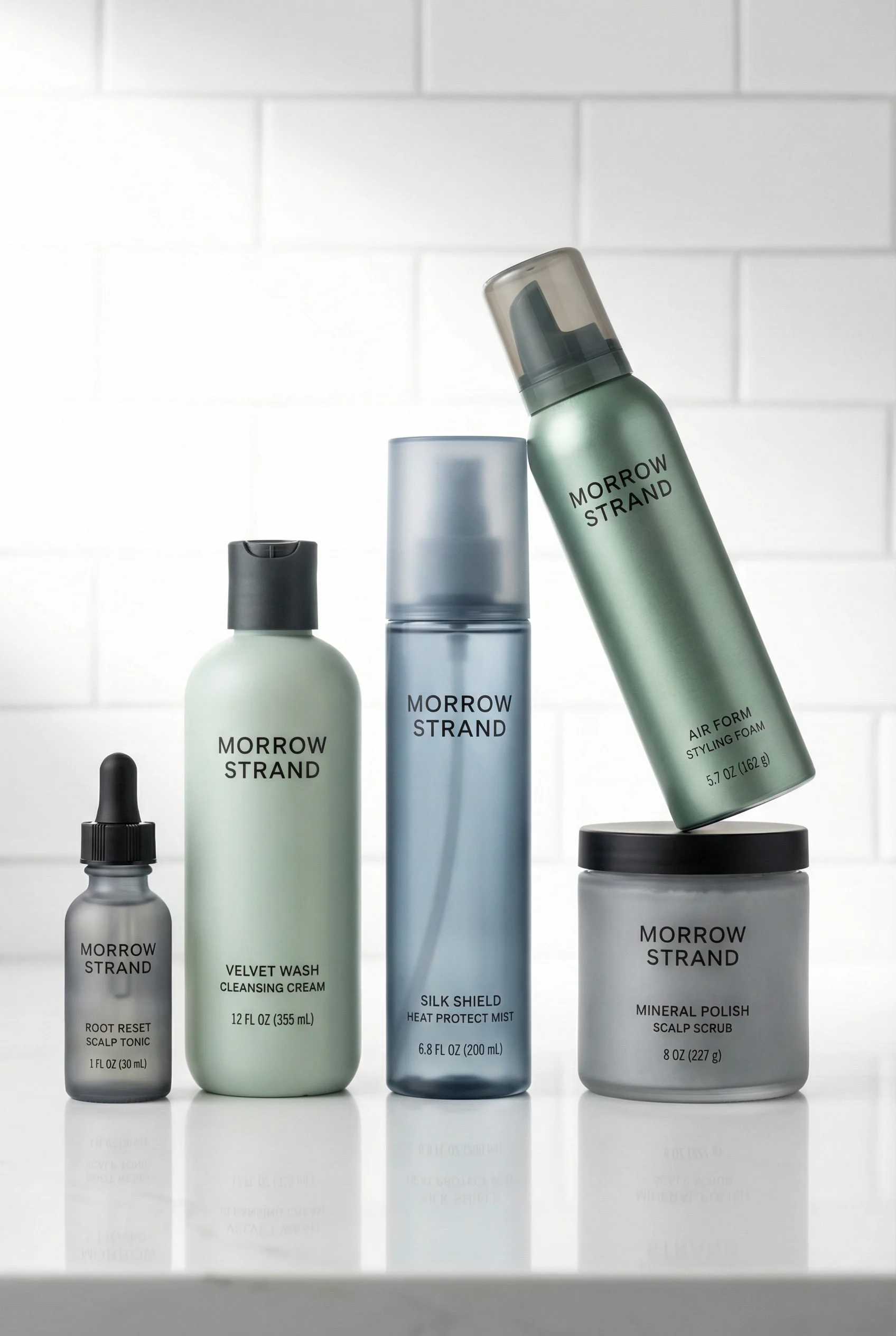
Routine lineup
Order products by use step, such as cleanse, condition, treat, style, or refresh.
Use when: Use for bundles, regimen education, subscription pages, and collection merchandising.
Prompt cue
Create a clean shower niche haircare lineup ordered by routine step, with tall bottles fully visible, labels readable, soft tile light, and minimal water detail.
Formula texture
Show a hair oil drop, curl cream swipe, dense mask scoop, mousse foam, or gel detail on a comb or smooth surface.
Use when: Use for PDP galleries, treatment education, and ads where the product feel matters.
Prompt cue
Create a hair oil product scene with a precise application moment, accurate bottle label, glossy droplet detail, and warm bathroom or vanity light.
Action cue
Use a spray mist, comb, towel, clip, or hand placement to show how the product enters the routine.
Use when: Use for dry shampoo, heat protectant, refresh sprays, leave-ins, and paid social videos or statics.
Prompt cue
Create a dry shampoo mist image with the aerosol can label readable, controlled spray plume, clean studio background, and clear copy-safe space.
Haircare props should be functional, not decorative. A wide-tooth comb, towel, satin scrunchie, brush, shower tile, or salon cape should help the shopper understand when and how the product is used.
Additional haircare ideas to brief:
- A cap, pump, nozzle, or aerosol actuator close-up for products where delivery matters.
- A wash-day lineup with shampoo, conditioner, mask, and leave-in ordered by step.
- A gym-bag or travel-pouch scene for dry shampoo, minis, scalp mist, or refresh sprays.
- A towel-wrap or vanity prep crop that shows routine without implying a dramatic hair transformation.
- A texture ladder for a range: oil drop, cream swipe, mask scoop, gel bead, mousse foam.
- A salon-shelf image for professional positioning, using tools as context instead of clutter.
Operator notes by hair goal
Haircare creative gets sharper when the visual language follows the job of the SKU. "Healthy hair" is too broad for production; a good brief names the format, hair goal, and moment.
Use these pairings as a sanity check:
- Volume: dry shampoo, mousse, or root spray should feel airy, clean, and upright, not soaked.
- Curl definition: show slip, cream texture, wide-tooth combs, sectioning clips, or wash-day rhythm without flattening the curl story into generic shine.
- Scalp care: keep the applicator and part-line use clear, but avoid medical scalp imagery unless approved.
- Repair or bond language: use routine and texture cues rather than damaged-hair contrast unless the claims team has cleared it.
- Color care: protect packaging and product color from warm bathroom casts that make blonding, purple, or brunette cues inaccurate.
Riverflow fits best once that use case is fixed. Build a shower, vanity, salon, or refresh-scene system, then swap SKUs and crops inside the same routine logic so the range feels merchandised rather than randomly styled.
PDP vs ads usage
Choose the right approach
How to assign haircare shots
Haircare PDPs need consistency across SKUs. Ads can make the hair goal more immediate.
| Moment | What to show | Why it works |
|---|---|---|
| PDP gallery | Front pack, secondary angle, texture close-up, routine pairing, and scale cue. | Helps shoppers compare product type, size, variant, and formula feel. |
| Routine bundle | Shampoo and conditioner pair or full regimen ordered by step. | Makes cross-sell logic and usage sequence easy to understand. |
| Paid social | Product with a clear goal cue such as volume, curl definition, hydration, or refresh. | Connects the product to a use case in the first second. |
| Email or launch | Wider crop with product group, bathroom or vanity context, and benefit-safe space. | Supports headers, bundles, and seasonal drops without cropping off tall packaging. |
For ad adaptations, do more than add text to a PDP image. Protect the label, make room for copy, and let the routine or hair goal shape the composition.
If the most useful proof is a grip, squeeze, or application moment, use the principles in product-in-hand photography. For top-down routine kits, flat lay product photography can make product order and cross-sell logic easier to scan.
Starter shot list
Before you publish
Haircare SKU checklist
- Front pack shot with full bottle, tube, jar, or aerosol visible.
- Angled pack shot showing cap, pump, nozzle, or closure.
- Texture close-up on tile, acrylic, glass, comb, or hand.
- Routine lineup with complementary products.
- Shower, shelf, vanity, salon, or travel context scene.
- In-hand scale image for size and grip.
- Ingredient or benefit-led still life where it supports approved messaging.
- Paid social crop with vertical space and copy-safe negative space.
Create this in Riverflow
Create it in Riverflow
Riverflow prompt recipe for haircare
Use this structure to turn the strategy into a specific creative brief that keeps the product accurate and the scene useful.
- 1
Product proof
Preserve bottle height, label readability, cap or pump shape, variant color, and packaging proportions from the reference image.
- 2
Routine
Choose one use context: shower, wash day, styling station, salon prep, gym bag, travel kit, or vanity.
- 3
Texture
Add one formula cue that matches the SKU, such as mist, oil, cream, mask, gel, or foam.
- 4
Channel
Generate a PDP crop with full product visibility and an ad crop with clear space for approved hair goal copy.
Example prompt
Riverflow workflow
How this works in Riverflow
Use Riverflow to keep tall packaging, routine order, and formula texture consistent while producing ecommerce and campaign assets for individual SKUs or full regimens.
Photoshoots
Start from haircare-ready Scenes
Choose brand-safe shower niche, vanity, salon, styling station, or travel kit Scenes from Riverflow's library, or bring owned Scenes from your own shoots. Apply a Style so shampoo pairs, treatment textures, and styling product crops feel like one system across the range.
Images
Develop routine and texture directions
Use Riverflow 2.0 Pro, Google's Nano Banana 2, or OpenAI GPT-Image-2 for text-to-image and image-to-image exploration of mist, oil, cream, mask, gel, foam, and bathroom or salon context before scaling the set.
Editing
Prepare channel-specific variants
Generate 9 angle variants for bottle, tube, jar, or aerosol views, change aspect ratio while keeping vertical packaging natural, use Riverflow 2.0 Reference-Based Super Resolution to correct label or variant details in place without altering the rest of the image, and Swap product when a routine Scene needs another step in the regimen.
Mistakes to avoid
Wet sets are used for every product.
Reserve water for wash products and use vanity, salon, or styling cues for dry shampoo, heat protectant, oils, and pastes.
Texture cues misrepresent the formula.
Make lightweight serums look light, masks look rich, and gels look controlled rather than creamy.
Result imagery implies unrealistic transformation.
Use approved hair goal language and let product, texture, and routine context do the work.
Tall packaging is cropped too tightly.
Leave vertical space for mobile PDPs, marketplaces, and ad variants.
FAQ
When should haircare images avoid water?+
Avoid wet sets for dry shampoo, texture spray, heat protectant, pomade, oil, and many styling products. Use vanity, salon, gym-bag, or mirror contexts instead.
How do you show hair benefits without overclaiming results?+
Use format, texture, tools, and routine context. Be careful with visual before-and-after cues, extreme shine, and transformation framing unless claims are approved.
What is the common crop mistake with tall haircare packaging?+
Cropping too close at the cap or base. Leave vertical breathing room so bottles survive Shopify galleries, collection tiles, and paid social aspect ratios.
Start creating
Get started with on-brand visuals
Turn guide ideas into product-accurate creative in Riverflow, using your brand, products, scenes, styles, and channel crops from the start.
Your catalog into campaign-ready Creative
Riverflow connects your products, brand rules and creative workflows so your team can create on-brand photoshoots, ads, videos and edits across every campaign.