Guide
Flat Lay Product Photography
A practical guide to flat lay product photography, with composition tips, prop guidance, shot list ideas, and approval checklists for brand teams.
- Guides
- Product Photography

Examples
Scenes from the Riverflow library

Overhead desk-object arrangement around a closed folio computer with deliberate negative space.
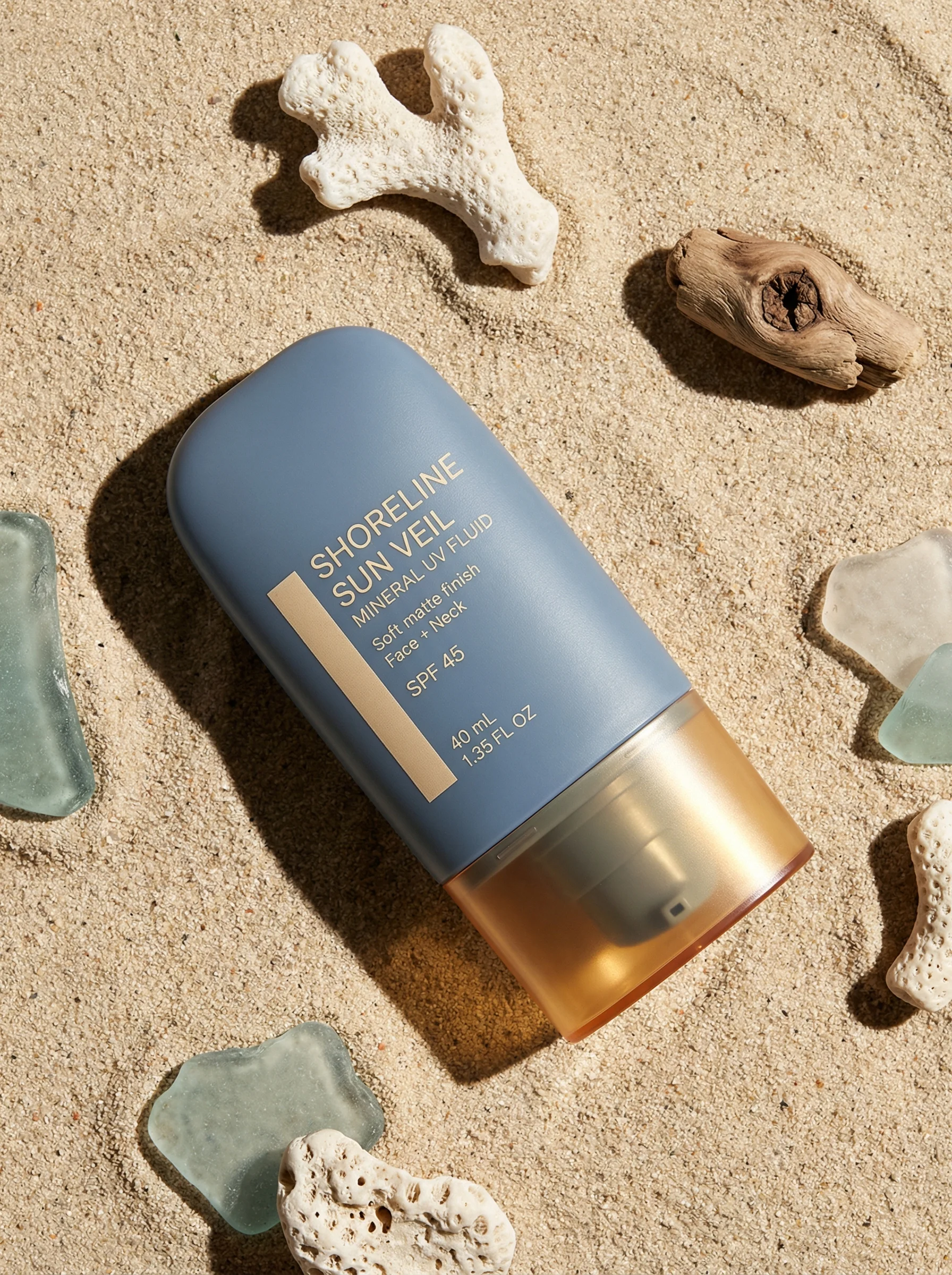
Top-down sunscreen product on sand with coastal props framing the hero item.
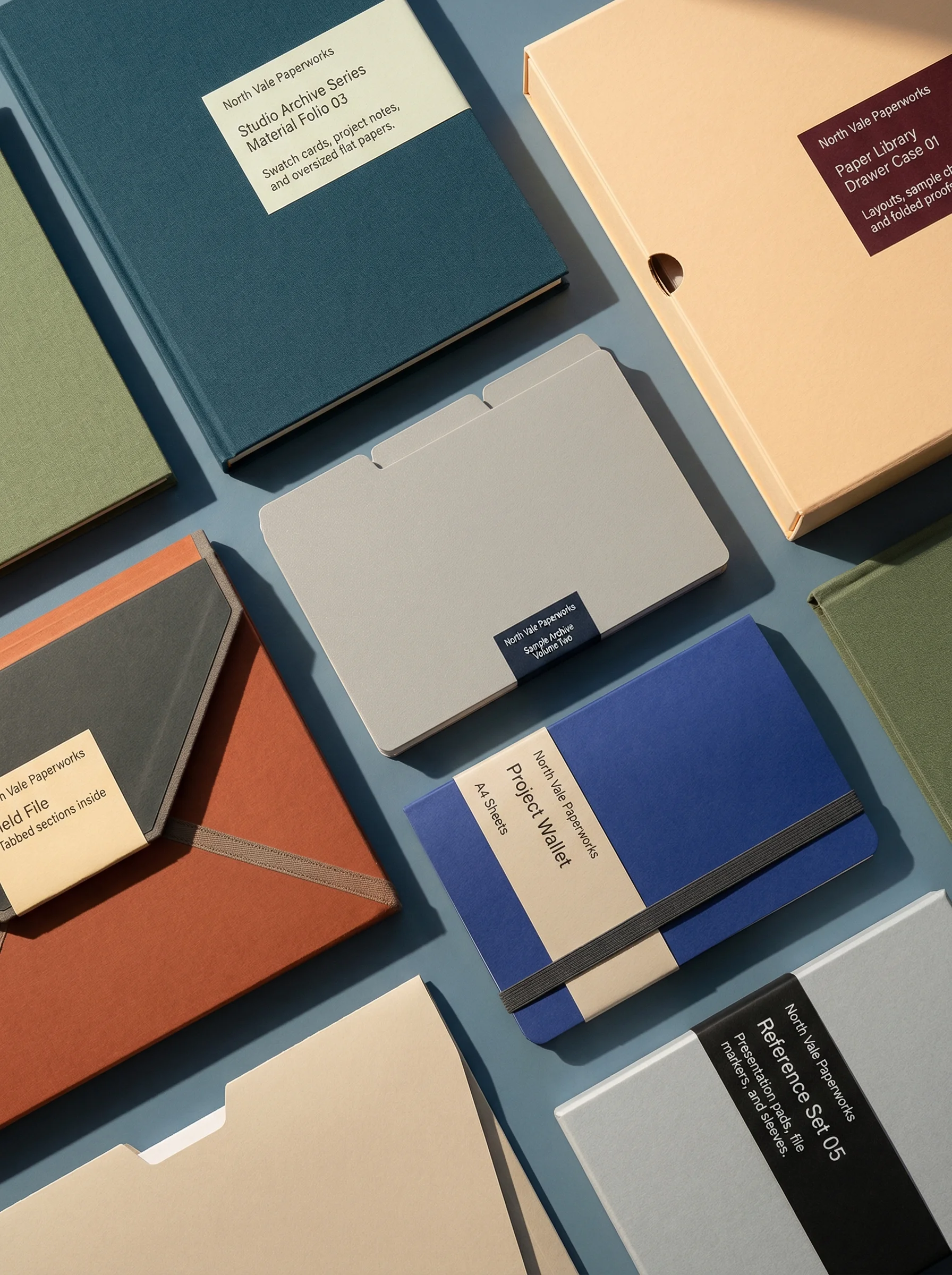
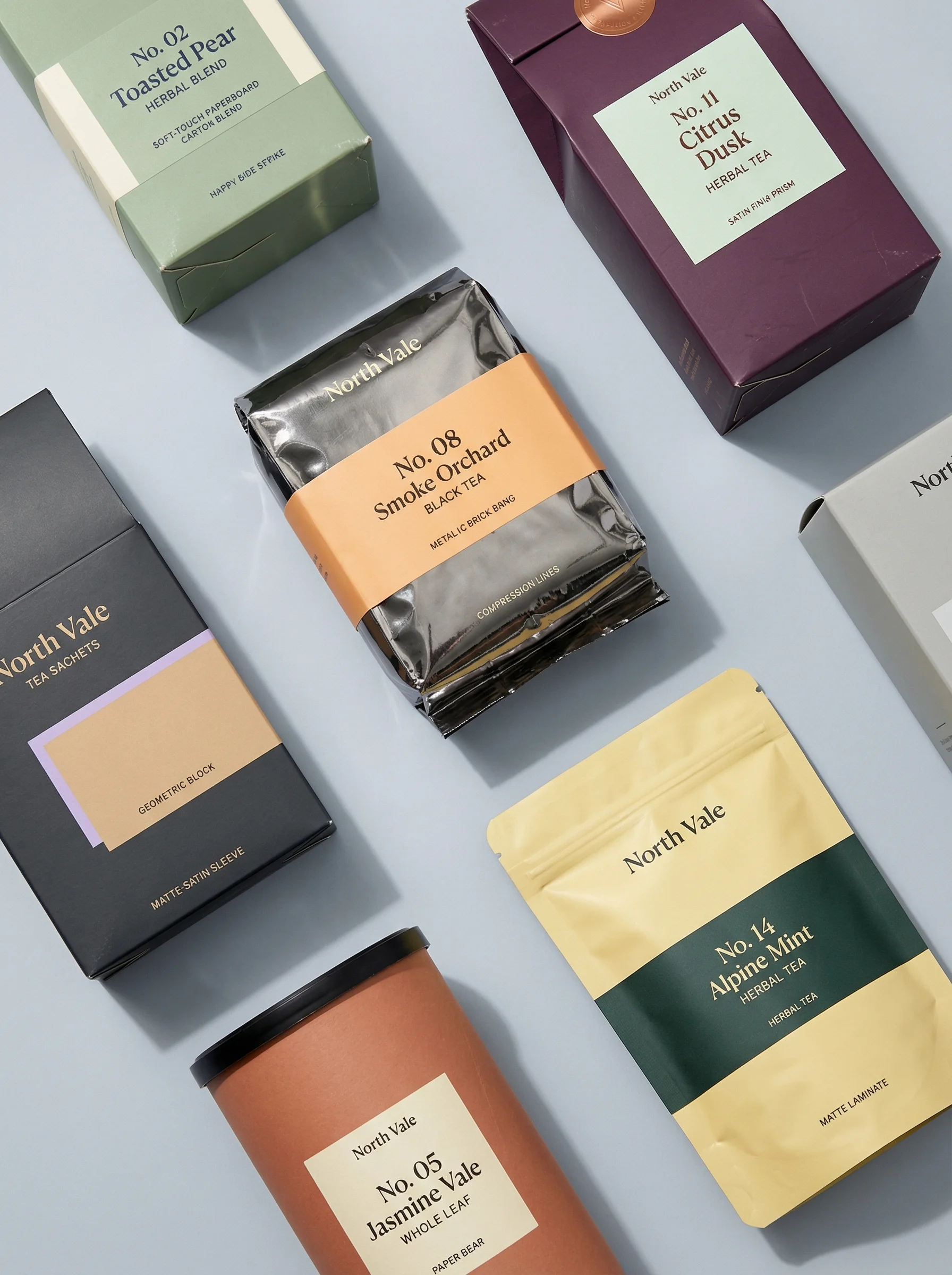
Overhead group arrangement of document cases in an interlocking diagonal pattern.
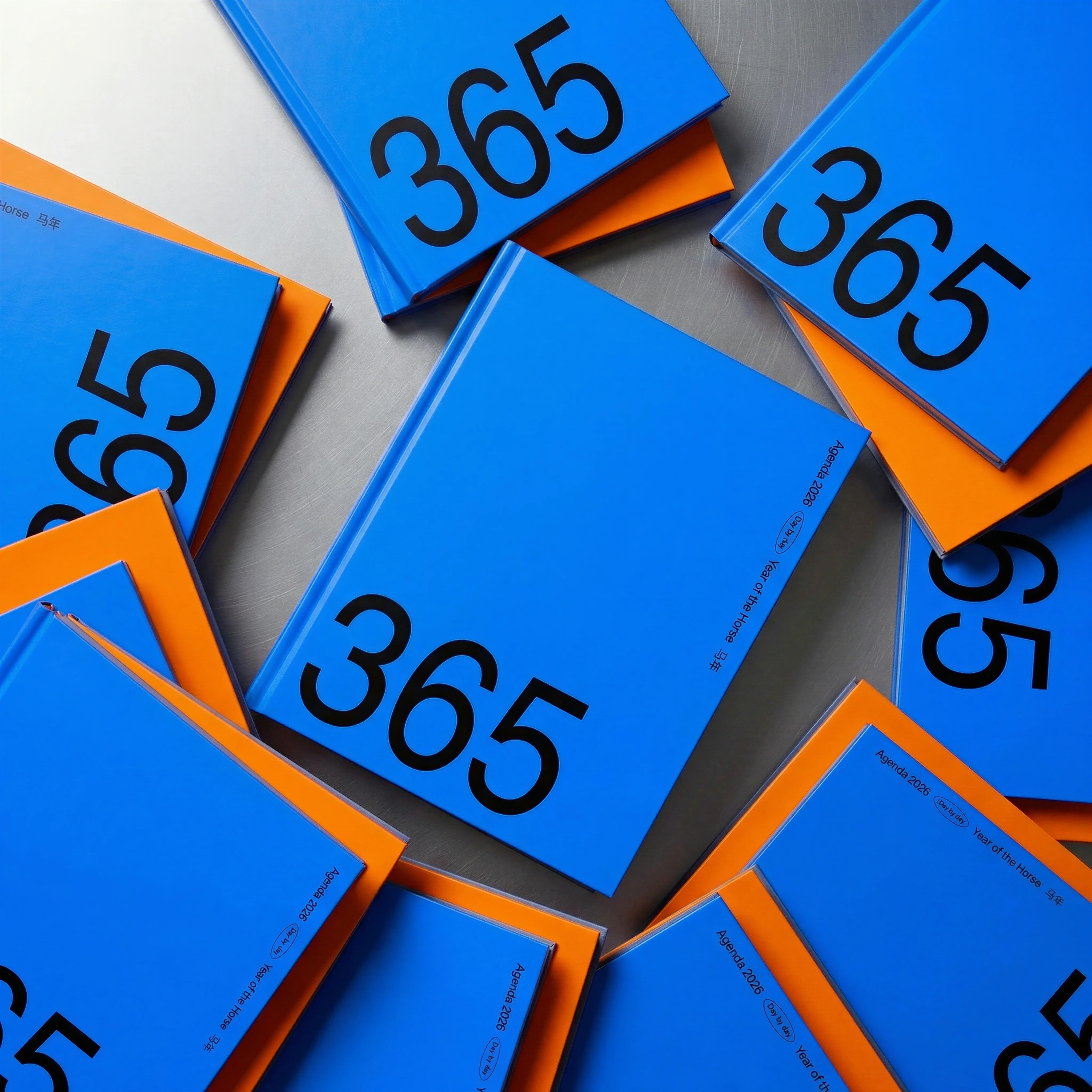
Overhead planner arrangement with coordinated stationery and clear product hierarchy.
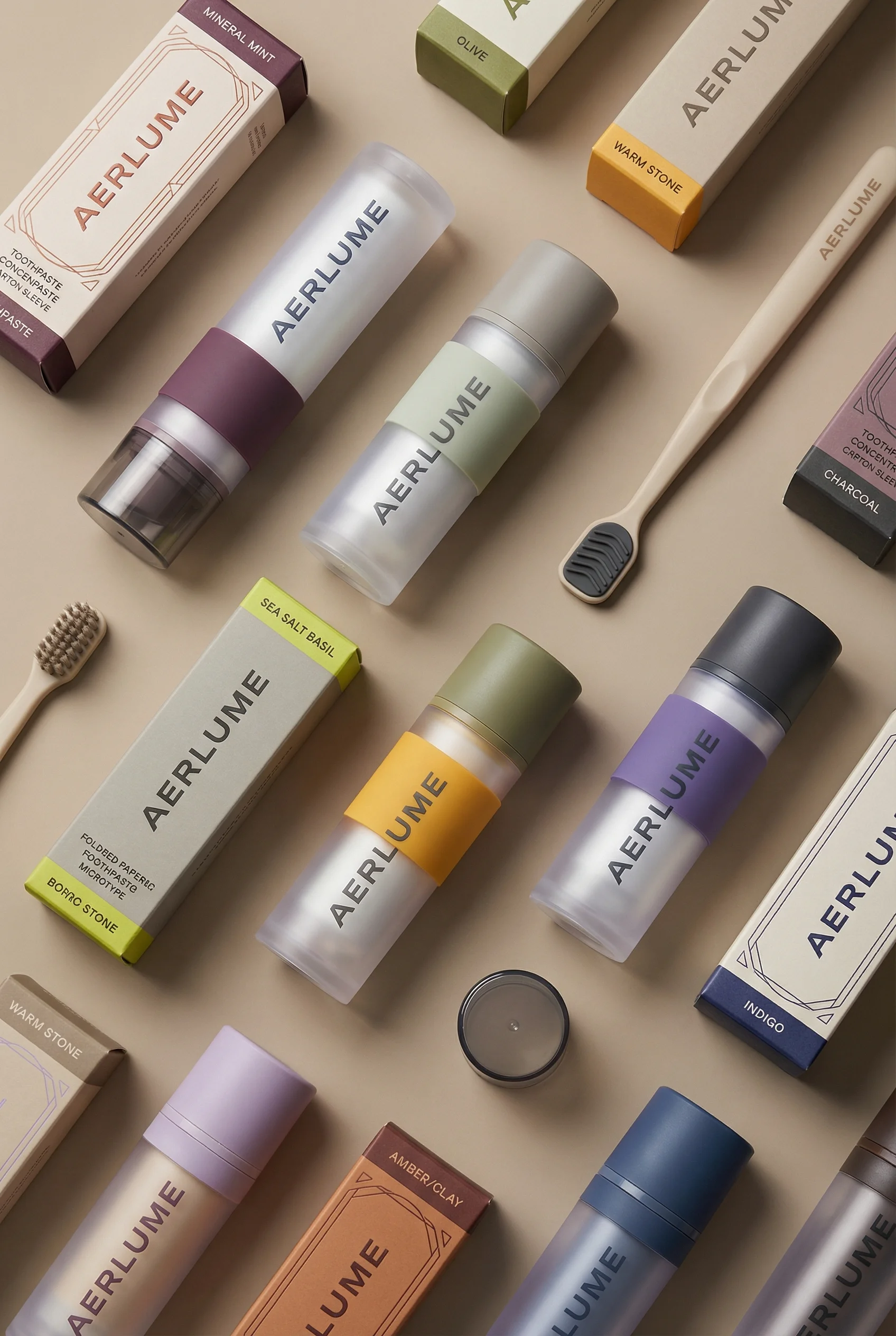
Top-down oral care set arranged as a balanced routine-focused product story.
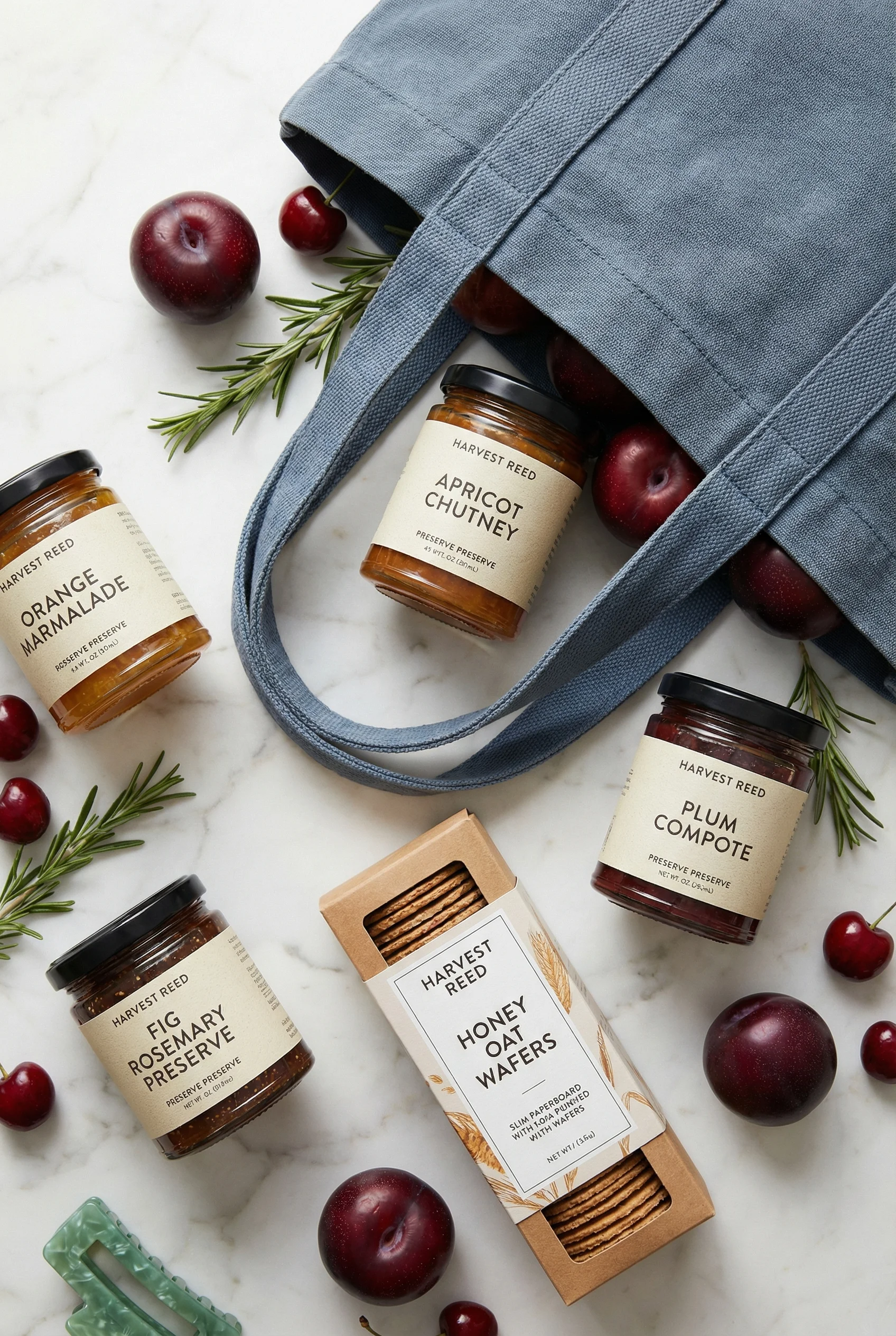
Pantry products and ingredients composed overhead for a premium food flat lay.
Flat lays are useful because they combine clarity with editorial control. They can show what is included, how products work together, and what visual world the brand belongs to without needing a full lifestyle set.
The risk is clutter. A flat lay should feel designed, not scattered. Every item in the frame needs a reason to be there.
If the product needs direct inspection, start with product-on-white photography. If it needs scale or handling, use product-in-hand photography. Flat lays are strongest when the relationship between objects matters.
What flat lay photography is good for
Choose the right approach
Flat lay use-case matrix
Choose flat lay product photography when relationships between objects matter.
| Use case | What to show | Why it matters |
|---|---|---|
| Bundle or kit | Main product, companion items, packaging, inserts, and accessories arranged together. | Makes the full value of the set easy to understand. |
| Routine | Step sequence, skincare layers, cooking ingredients, desk workflow, or travel essentials. | Shows how products fit into a practical order or ritual. |
| Variant family | Multiple colors, flavors, scents, sizes, or product forms in a consistent grid or pattern. | Helps shoppers compare options without switching context. |
| Seasonal story | Product with relevant textures, surfaces, ingredients, wrapping, or occasion-led props. | Adds campaign context while keeping product recognition high. |
Visual playbook
Visual playbook
Flat lay composition formats
The strongest flat lays use a clear layout system. Decide whether the image should feel organized, editorial, routine-led, or campaign-led before adding props.
Clean workspace layout
Use negative space and careful object placement to make a practical setup feel premium and calm.
Use when: Use for stationery, tech accessories, productivity products, and subscription kits.
Prompt cue
Top-down flat lay product photography on a clean desk surface, hero product centered, supporting objects aligned, generous negative space, soft studio daylight.
Occasion-led surface
Let the surface and props signal the occasion while the product remains the clear hero.
Use when: Use for sunscreen, snacks, drinks, gifting, holiday, travel, and outdoor products.
Prompt cue
Overhead flat lay of the product on a beach-inspired surface, product label readable, props framing but not covering the product, natural sunlight, clean ecommerce composition.
Editorial product family
Arrange related items with repeated angles, spacing, or diagonals to create visual order.
Use when: Use for stationery, apparel accessories, packaging ranges, and multi-SKU launches.
Prompt cue
Editorial overhead flat lay of a coordinated product family, repeated diagonal arrangement, consistent spacing, product colors accurate, minimal background.
Routine or ingredient map
Show how products, tools, and ingredients connect in a practical routine or recipe.
Use when: Use for beauty routines, oral care, food, beverage, pantry, wellness, and craft products.
Prompt cue
Top-down pantry flat lay with product and related ingredients, clear hierarchy, balanced spacing, premium surface, product packaging accurate and readable.
Composition rules
Start with the hero item. Place it first, then add supporting objects only if they explain category, scale, occasion, ingredients, contents, or routine. Negative space is part of the composition, especially for ads, email modules, and landing-page crops.
Flat lays are good candidates for reusable Riverflow Scenes. A team can start from an overhead Scene in Riverflow's extensive brand-safe library, bring an owned top-down Scene from a previous photoshoot, and then use Styles to keep surface, spacing, lighting, and prop discipline consistent across bundles or SKU families.
Prop discipline test
Before approving a flat lay, remove each supporting object mentally. If the image still communicates the same thing without it, the prop is probably decoration. Good supporting objects explain a flavor, material, routine step, bundle content, scale, season, or channel message.
The other test is thumbnail hierarchy. At small size, the viewer should still know what the hero product is. If the frame reads as a nice arrangement before it reads as a product image, reduce the object count, increase spacing, or move the product closer to the visual center.
Before you publish
Flat lay product photography checklist
- Define the hero item and secondary objects before generating the scene.
- Use overhead perspective with minimal lens distortion.
- Keep labels, colors, pack shape, and variant order accurate.
- Use a consistent Scene and Style when building a family of bundle, routine, or variant flat lays.
- Leave intentional negative space for mobile crops or text overlays where needed.
- Limit props to objects that clarify use, scale, category, or occasion.
- Review the layout at thumbnail size to make sure the hierarchy still reads.
Riverflow prompt recipe
Create it in Riverflow
Prompt a flat lay in Riverflow
Use this structure to turn the strategy into a specific creative brief that keeps the product accurate and the scene useful.
- 1
Hero
Name the product or set that should be noticed first, plus any required label-facing orientation.
- 2
Layout
Specify grid, diagonal, radial, scattered-but-balanced, step-by-step, or framed composition, and keep the same Style rules when producing a series.
- 3
Surface
Define the background surface such as white seamless, marble, linen, sand, wood, desk, tile, paper, or colored studio paper.
- 4
Support objects
List only the props, ingredients, tools, or accessories that support the product story.
- 5
Crop
Ask for square, vertical, or wide overhead framing and include copy-space requirements if the asset is for ads or email.
Example prompt
Mistakes to avoid
Adding props because the frame feels empty.
Use negative space deliberately and only add objects that explain the product.
Making every object equal in size or importance.
Create a visual hierarchy with scale, position, spacing, and contrast.
Using an overhead crop for products that need side profile.
Pair the flat lay with angled product or lifestyle shots when height and structure matter.
Letting product labels rotate randomly.
Set label-facing rules and review variant orientation across the full image set.
FAQ
What products work best for flat lay photography?+
Flat lay photography works especially well for beauty, food, beverage, stationery, accessories, gift sets, kits, ingredients, packaging, and product families with multiple variants.
How many props should a flat lay include?+
Use as few as the story needs. A product, one scale cue, one ingredient cue, and one surface can be stronger than a busy arrangement of loosely related objects.
Can a flat lay be a primary ecommerce image?+
Sometimes, especially for bundles or kits. For single products, a product-on-white image usually remains the primary ecommerce image, with the flat lay supporting contents or context.
When should I avoid a flat lay?+
Avoid it when height, side profile, hand scale, or usage context is the main shopper question. In those cases, an angled product image, in-hand shot, or lifestyle scene will usually work harder.
Start creating
Get started with on-brand visuals
Turn guide ideas into product-accurate creative in Riverflow, using your brand, products, scenes, styles, and channel crops from the start.
Your catalog into campaign-ready Creative
Riverflow connects your products, brand rules and creative workflows so your team can create on-brand photoshoots, ads, videos and edits across every campaign.