Guide
TikTok Product Ad Examples for Ecommerce Teams
A practical guide to TikTok product ad examples that help ecommerce teams turn product benefits into native, useful creative.
- Guides
- Ad Creative

Examples
Scenes from the Riverflow library
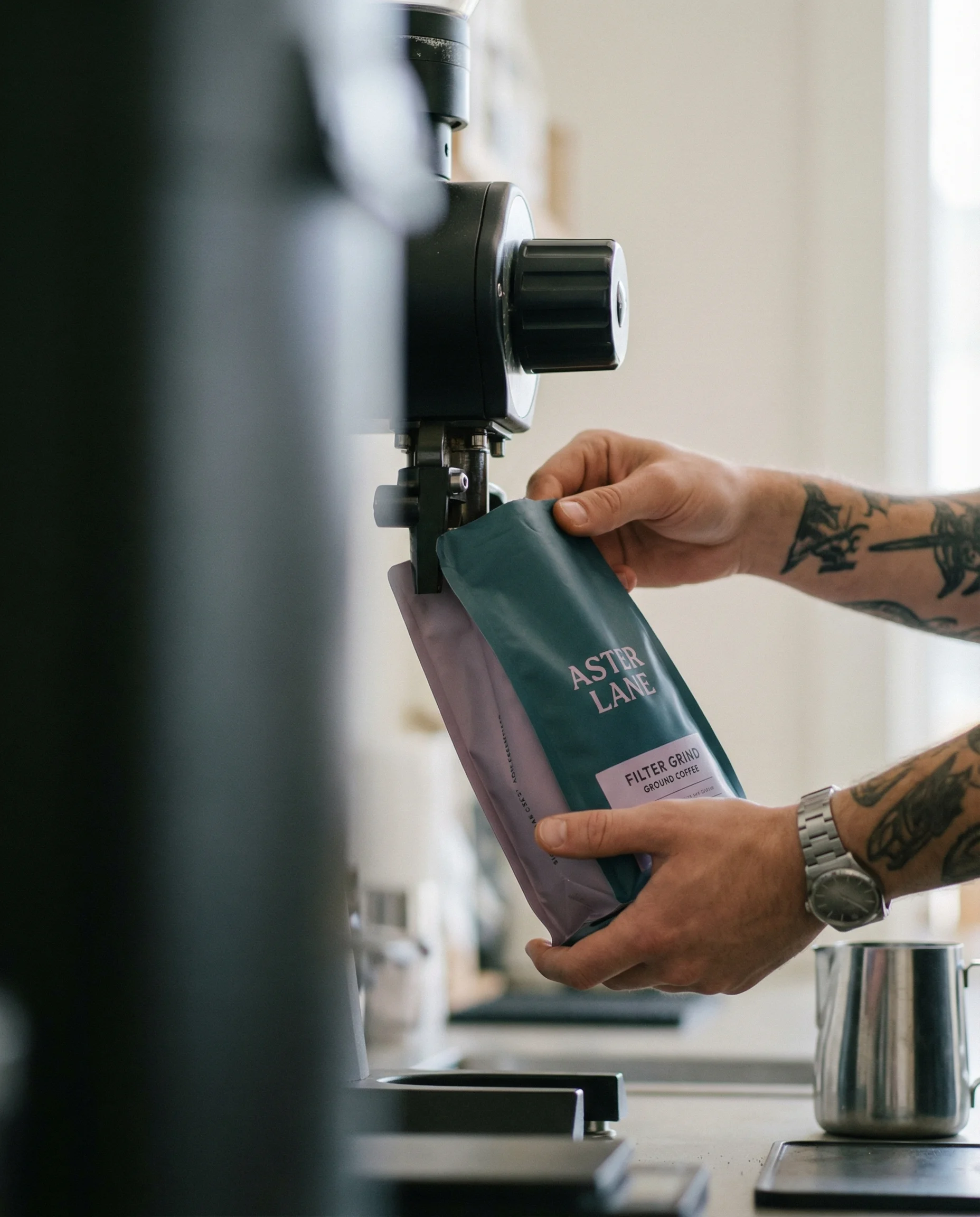
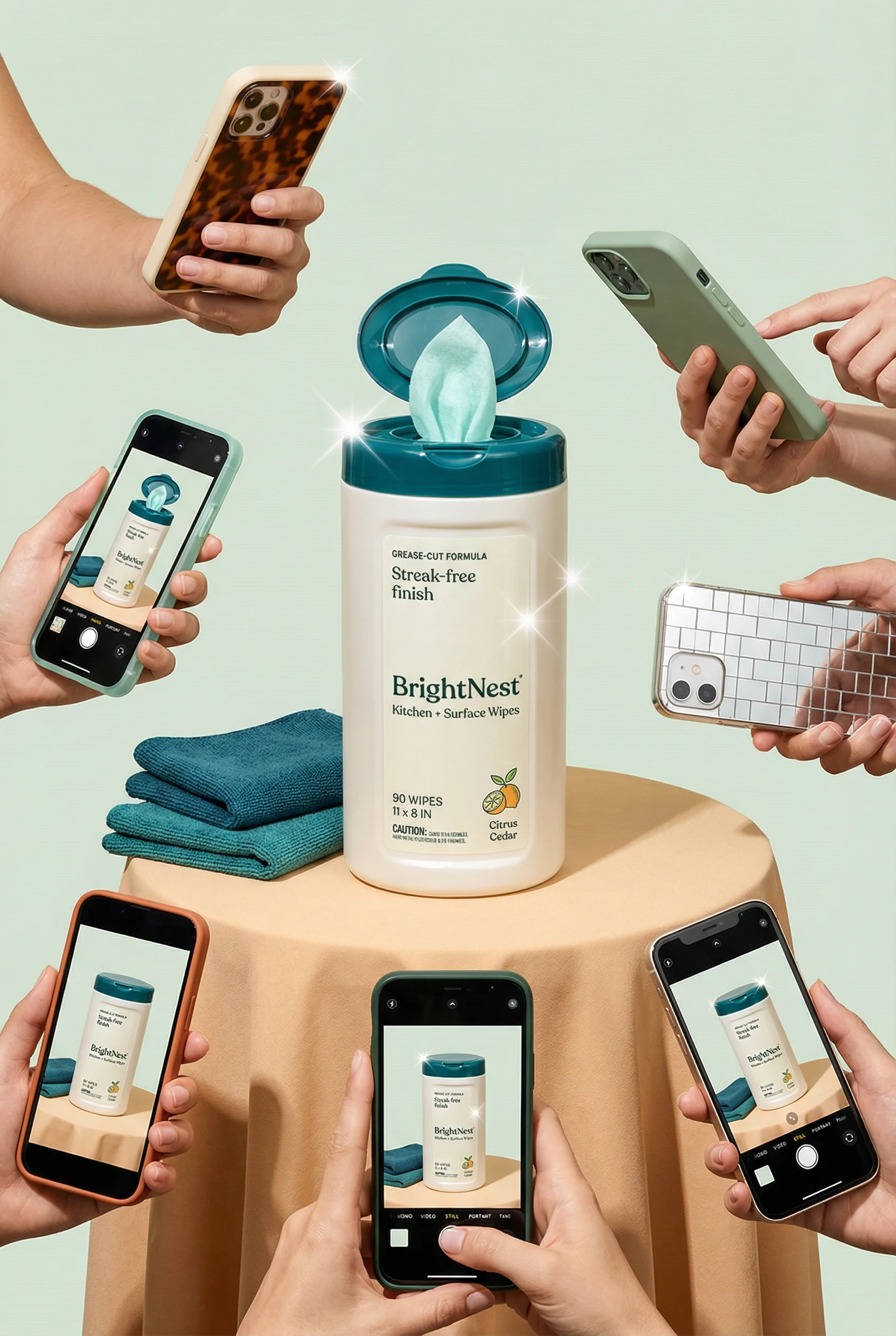
Behind-the-scenes product-use moment with strong vertical crop.
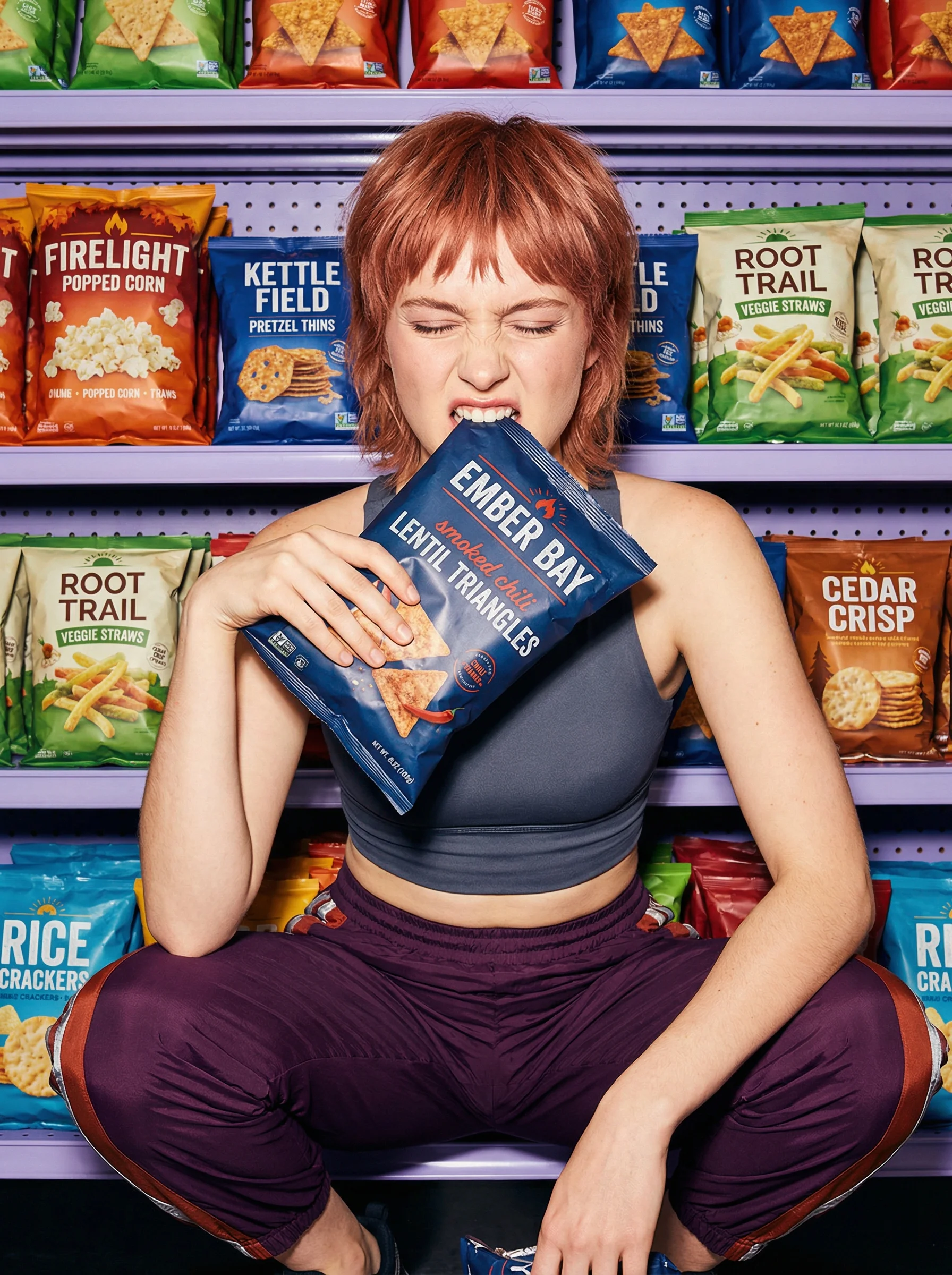
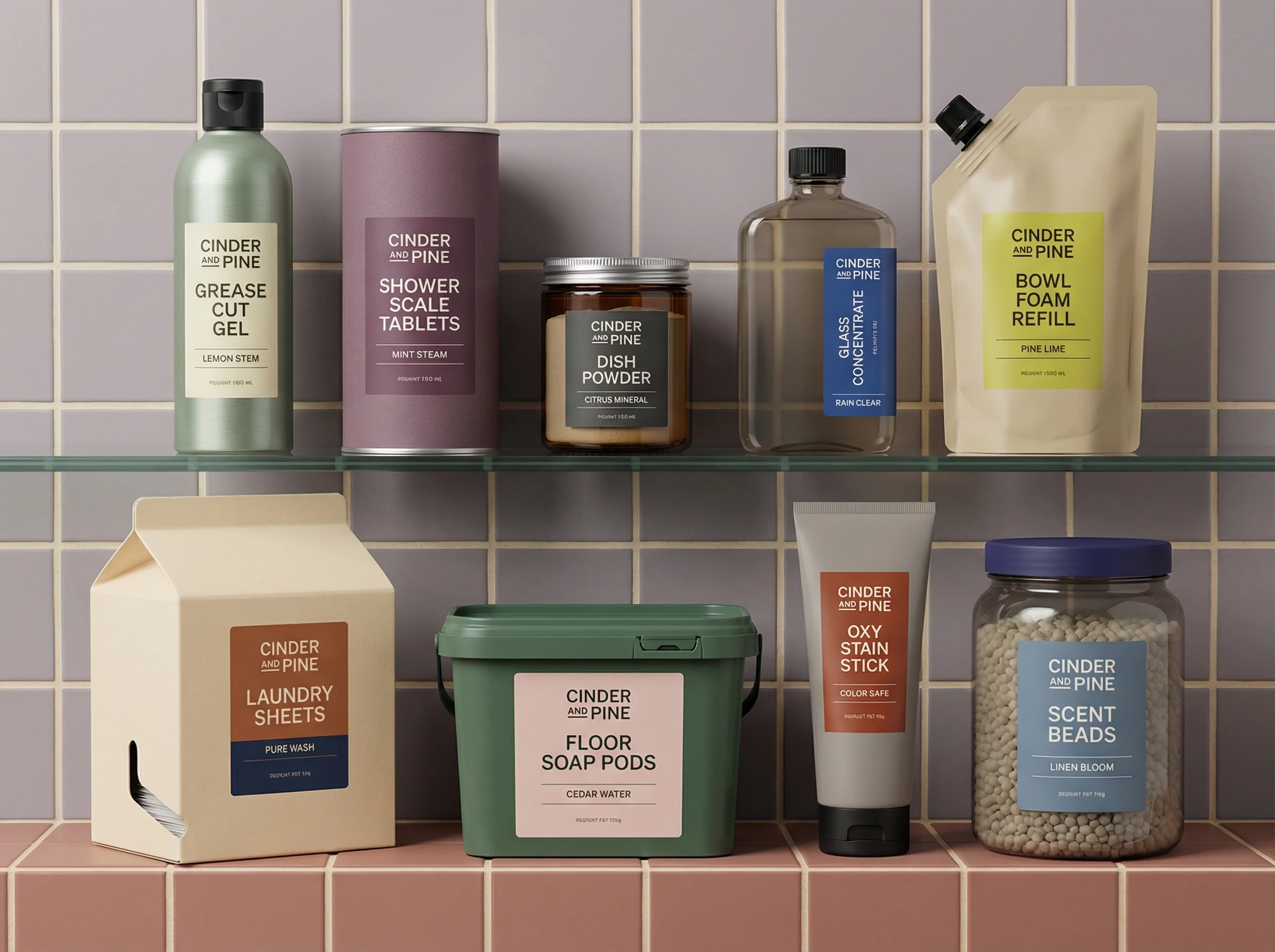
Retail shelf plus playful person/product interaction for TikTok-style proof.
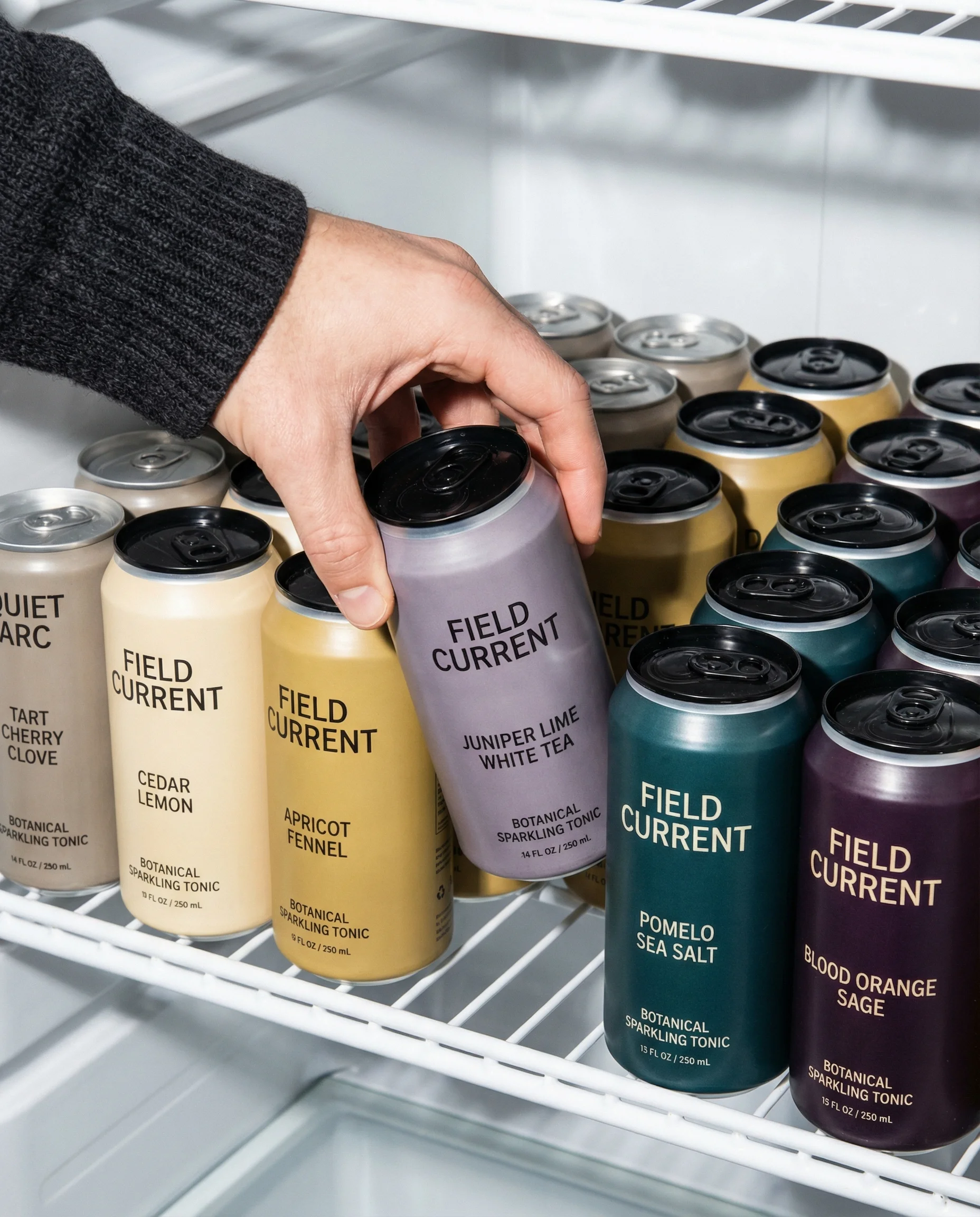
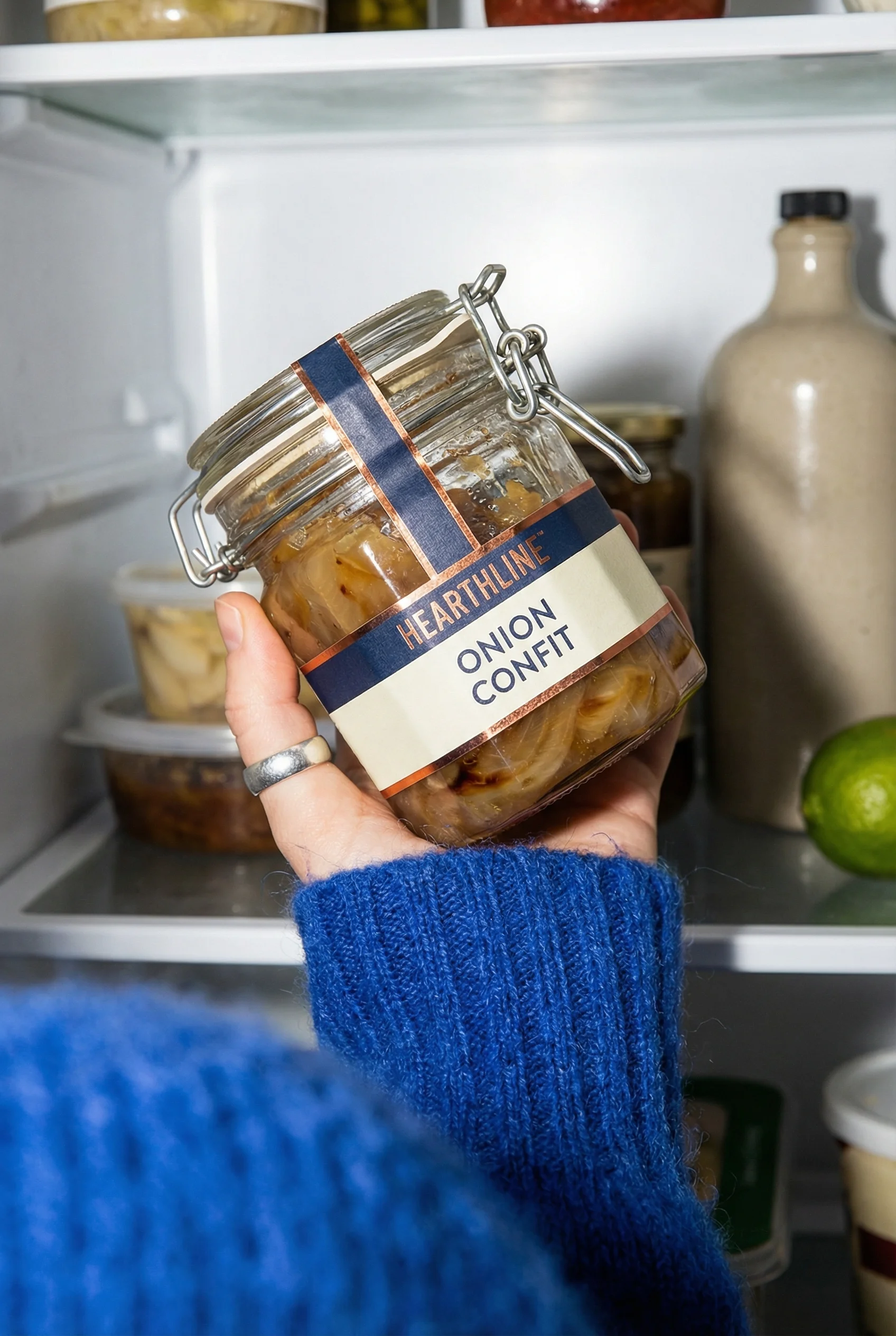
Candid refrigerator grab with direct flash and clearly visible packaging.
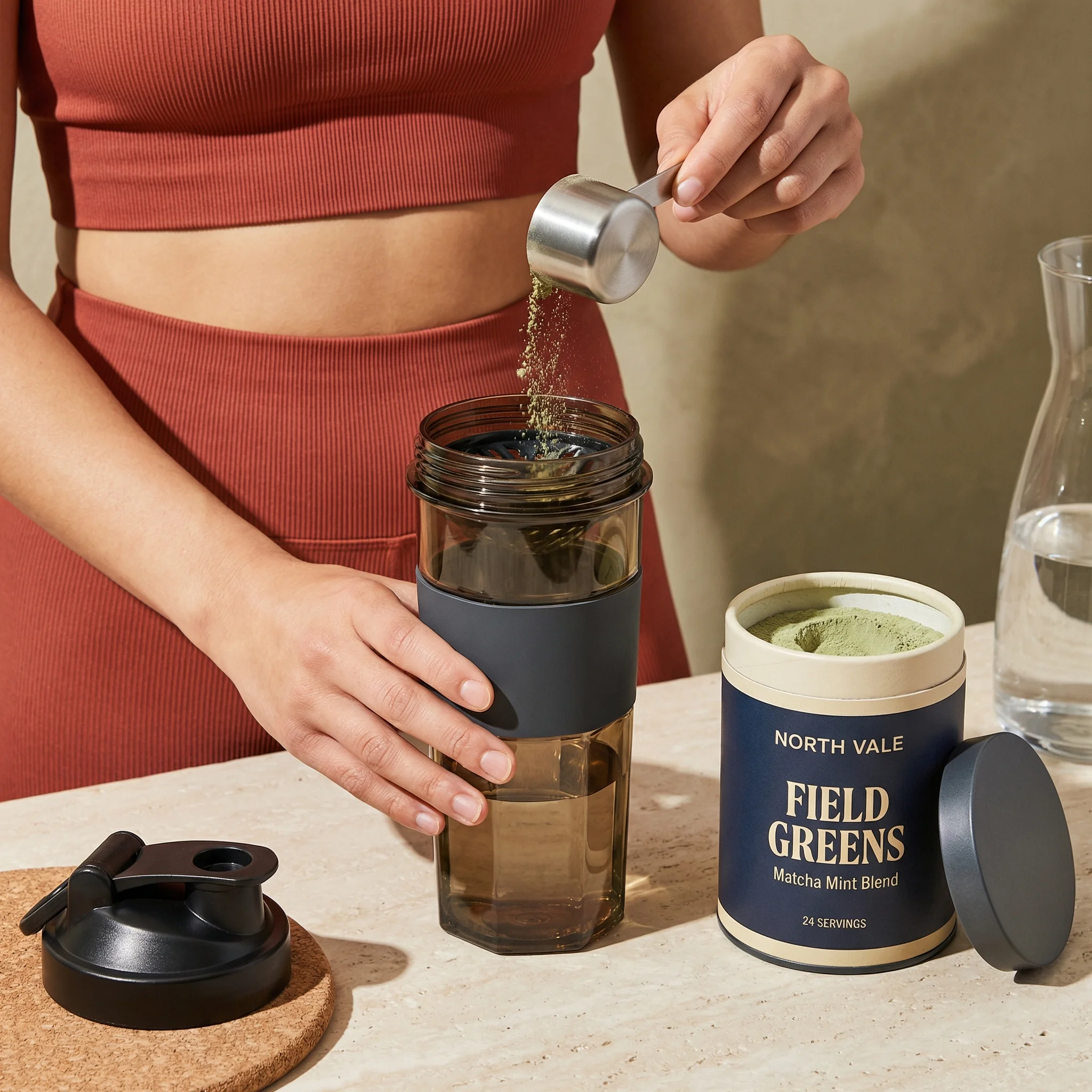
Process-led product demo with a clear preparation hook for TikTok creative.
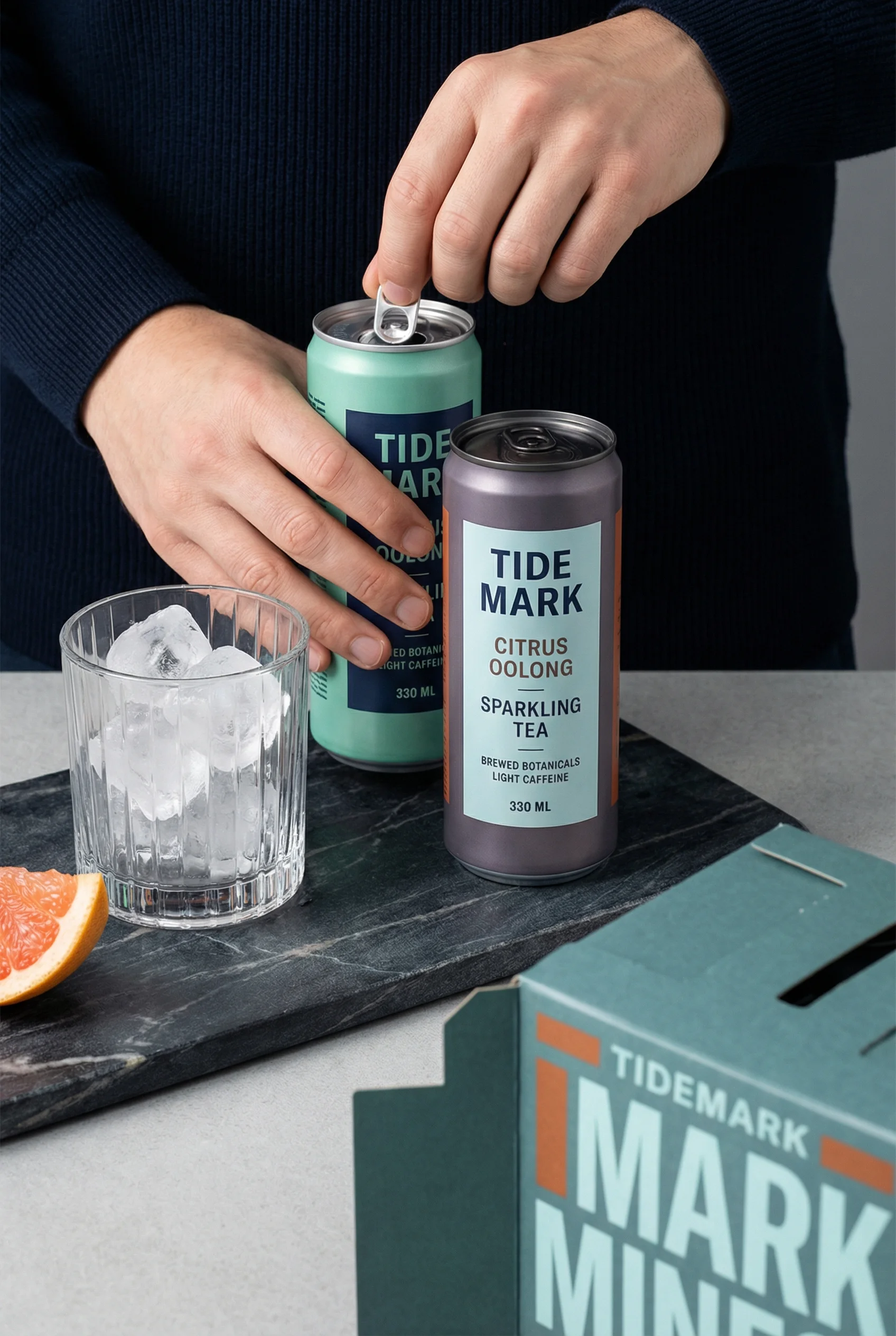
Crisp can-opening moment that implies motion while keeping packaging readable.
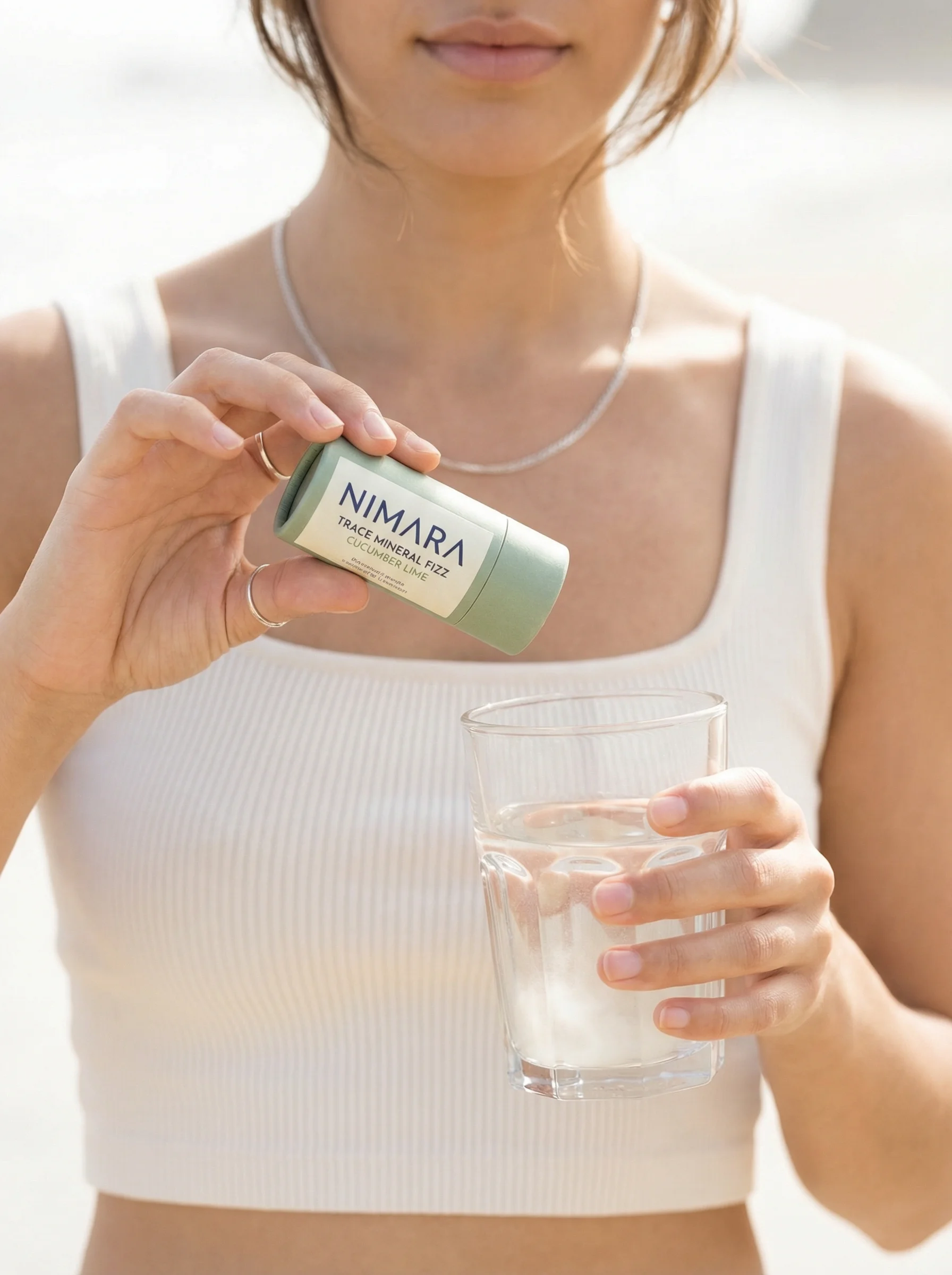
Outdoor pour scene for a native demo hook with product and use case in frame.
TikTok product ads need to feel fast, specific, and native to a vertical feed. The creative should behave like content: open with a clear hook, show the product in a believable moment, and give the viewer a reason to keep watching or tap through.
TikTok creative is demanding because freshness matters. Ecommerce teams need multiple angles, crops, hooks, and product moments, not one polished campaign image stretched across every use.
If the ad sends shoppers into TikTok Shop, keep the listing assets separate and aligned with the TikTok Shop image guide while reusing the same product source truth. For broader channel planning, compare these formats with Meta ad creative examples and the general ecommerce ad creative examples.
Riverflow helps teams keep that freshness connected to a controlled product system. Photoshoots can adapt products into mobile-native Scenes, Styles can keep creator-style and studio-style assets from drifting apart, Images can generate or transform hook frames, and Editing can produce fast variants while preserving the item shoppers will see after the tap.
TikTok product ad examples
Visual playbook
TikTok-ready product ad plays
These examples are written for mobile-first stills, short loops, or first-frame concepts that can be extended into video.
Product demo hook
Mini-brief: start at the action the viewer came to understand. The frame should show the product, the usage step, and the payoff cue without needing a polished brand intro.
Use when: Use for beauty application, supplement mixing, food preparation, cleaning, pet, home, and accessories.
Prompt cue
Create a 9:16 TikTok product ad frame showing the product being used in a realistic routine, with visible texture, accurate packaging, and a clear first-second hook. Keep the same demo while testing hook copy only.
Behind-the-scenes product moment
Mini-brief: make production, prep, or refill feel tangible. The process should support freshness, craft, or convenience without making unverifiable origin claims.
Use when: Use for food, beverage, handmade, refill, prep, and product-origin stories.
Prompt cue
Create a behind-the-scenes TikTok ad still for a coffee pouch, showing the product in preparation with the bag label readable and a natural vertical crop. Reject versions where the process hides the SKU or invents certifications.
Native shelf or aisle proof
Mini-brief: show the product as something a shopper would notice, pick up, and understand in seconds. Use retail familiarity as context, not fake popularity.
Use when: Use for snacks, drinks, beauty, grocery, and products that benefit from retail-style familiarity.
Prompt cue
Create a TikTok ad still in a retail aisle with the product held naturally, the pack readable, and one concise hook about why shoppers pick it up. Keep the aisle context constant while testing flavor, price, and review hooks separately.
Fridge-grab problem opener
Mini-brief: turn a need state into a thumb-stopping first frame. The question is not whether the image is pretty; it is whether the viewer recognizes the moment.
Use when: Use for beverages, snacks, meal prep, wellness, and daily routine products.
Prompt cue
Create a TikTok product ad frame showing a fridge grab moment, with the product centered, packaging accurate, and a short hook about the daily use case. Produce variants for afternoon slump, dinner prep, and post-workout without changing the can.
Pour or reveal action
Mini-brief: use motion cues to sell texture, freshness, fizz, color, or first-use delight. The product should remain inspectable, not become a background prop.
Use when: Use for drinks, sauces, beauty textures, supplements, and products where sensory cues matter.
Prompt cue
Create a vertical TikTok ad still showing an outdoor pour with fizz, the product in frame, accurate packaging, and one sensory benefit line. Hold product and claim constant while testing indoor, outdoor, and close-up pour contexts.
Choose the right TikTok angle
Choose the right approach
TikTok product ad matrix
Match the hook to the role the asset needs to play in the funnel.
| Scenario | Best use | Creative note |
|---|---|---|
| Demo hook | When the product benefit is easiest to understand in action. | Start with the action, not a logo or abstract brand setup. |
| Problem opener | When the product solves a familiar daily friction. | Make the problem concrete enough to understand before reading the caption. |
| Native review | When approved customer language can make the product feel specific. | Use one short quote and keep the product visible in the same frame. |
| Comparison | When the product improves a routine or simplifies a familiar alternative. | Compare features, use case, or experience without unsupported superiority claims. |
| Unboxing or reveal | When packaging, contents, or first-use setup matter. | Show what arrives and avoid implying extras that are not included. |
Hook tests that stay readable
TikTok teams need creative volume, but volume only helps when the team can tell what changed. Build hook batches around one product truth, then vary the opener without changing the SKU, landing destination, or claim approval path.
Choose the right approach
TikTok hook testing plan
Use these as controlled batches rather than unrelated one-off concepts.
| Hook batch | What changes | What stays fixed |
|---|---|---|
| Problem opener | The first line and need state, such as shelf confusion, morning routine, travel friction, or snack craving. | Product source, vertical crop, offer, CTA, and landing page. |
| Demo proof | The action moment, camera distance, hand position, texture cue, or before-use setup. | The claim, product details, routine step, and final frame. |
| Review or creator proof | Approved quote, first-person phrasing, or creator-style framing. | The product context, exact quote approval, and SKU shown. |
| Comparison | Old routine vs new routine, messy vs simple setup, or category alternative. | Avoid unsupported superiority claims; keep product, claim, and CTA stable. |
| Reveal or unboxing | Package opening, contents reveal, texture reveal, or flavor reveal. | Included items, pack count, product scale, and TikTok Shop listing match. |
For repeatable production across many hooks, use the workflow discipline in how to scale ecommerce creative production so first-frame exploration does not break product accuracy.
TikTok product ad checklist
Before you publish
Mobile-first review checklist
- The asset is designed for vertical viewing.
- The product is visible in the first moment or first frame.
- Any text is large enough to read on a phone.
- The hook is specific, not a generic brand statement.
- Product labels, colors, proportions, and packaging are accurate.
- The creative still makes sense with sound off.
- The CTA matches the product page, TikTok Shop listing, and offer.
- Listing images and ad images stay connected but are not treated as the same asset.
Fatigue signals on TikTok
Choose the right approach
When TikTok product ads need a refresh
Look for creative fatigue separately from product-market or offer issues.
| Scenario | Signal | Creative response |
|---|---|---|
| High thumb-stop, weak click quality | The hook may be entertaining without qualifying the shopper. | Bring the product earlier, add clearer use context, or align the CTA with the destination. |
| Early drop-off or low hold rate | The first frame may be too vague, too polished, or too slow to show the product job. | Test a direct demo, problem opener, or product-in-hand crop before changing the offer. |
| Comments ask the same basic question | The ad is not explaining size, flavor, contents, texture, price, shipping, or how to use it. | Turn that question into the next creative batch. |
| Strong ad, weak shop conversion | The ad may not match the listing or product page closely enough. | Check listing images, variant, pack count, price, claims, and CTA against the ad. |
Riverflow prompt recipe
Riverflow workflow
How this works in Riverflow
Start with a TikTok hook, then produce enough controlled variations to keep testing fresh.
Photoshoots
Build mobile-first product moments
Choose brand-safe Scenes from Riverflow's library or bring your own photoshoot Scenes, then adapt them to the product. Use Styles to keep demo, shelf, fridge-grab, and creator-style shots coherent.
Images
Generate hook frames and transformations
Use Riverflow 2.0 Pro, Google's Nano Banana 2, and OpenAI GPT-Image-2 for text-to-image and image-to-image work when you need new vertical contexts, process moments, or first-frame ideas.
Editing
Version fast without losing product truth
Generate 9 angle variants, change aspect ratio for vertical placements while keeping the image natural, use Riverflow 2.0 Reference-Based Super Resolution to update product artwork in place without changing the rest of the image, or swap a product into an approved TikTok-style scene.
Create it in Riverflow
Create TikTok product ad concepts in Riverflow
Use this structure to turn the strategy into a specific creative brief that keeps the product accurate and the scene useful.
- 1
Hook
Write one specific opening idea: demo, problem, review, comparison, or reveal. Treat each hook as its own batch.
- 2
Scene
Place the product in a believable vertical use context with the pack visible in the first frame. Use a Photoshoots Scene or Images model output depending on whether the concept starts from an existing scene or a new generated direction.
- 3
Proof
Add one approved detail such as flavor, size, material, texture, routine step, or customer quote.
- 4
Control
Preserve packaging, color, proportions, and included items so the ad matches the product page or TikTok Shop listing, then use Editing for angle and crop variants.
Example prompt
Mistakes to avoid
Making TikTok creative look like a resized catalog image.
Use action, sequence, process, or human context so even a still image feels native to the feed.
Overloading the visual with headline, review, discount, badge, ingredient list, and CTA.
Choose one message and move supporting detail into the caption, landing page, or a second variation.
Manufacturing fake authenticity.
Keep the scene direct and human while staying truthful, brand-safe, and product-accurate.
Operator FAQ
What should we hold constant across a TikTok hook test?+
Keep the product source, SKU, offer, destination, claim, and vertical crop stable. Change the first-frame hook or use context intentionally so the result tells you something useful.
When does native TikTok creative become too casual for ecommerce?+
It goes too casual when the product is hard to inspect, the scene implies fake proof, the packaging is distorted, or the viewer cannot tell what they will receive after the tap.
What should trigger a new TikTok creative batch?+
Repeated viewer questions, falling hold rate, rising frequency, weak click quality, or mismatch between ad promise and listing performance should become the next batch brief.
Start creating
Get started with on-brand visuals
Turn guide ideas into product-accurate creative in Riverflow, using your brand, products, scenes, styles, and channel crops from the start.
Your catalog into campaign-ready Creative
Riverflow connects your products, brand rules and creative workflows so your team can create on-brand photoshoots, ads, videos and edits across every campaign.