Guide
UGC-Style Product Photography
A practical guide to UGC-style product photography for paid social, creator-style landing pages, product education, and brand-safe content testing.
- Guides
- Product Photography

Examples
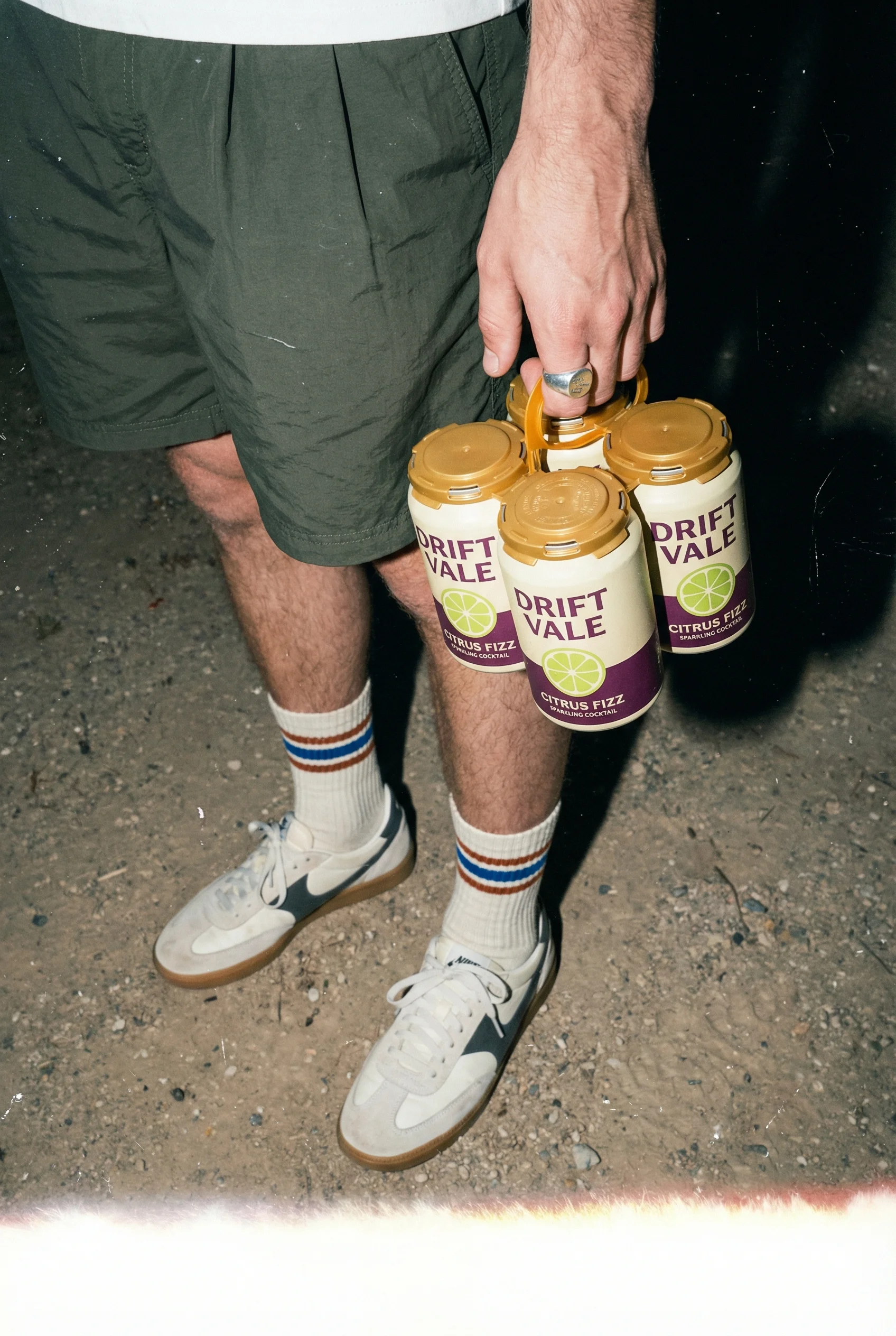
Scenes from the Riverflow library
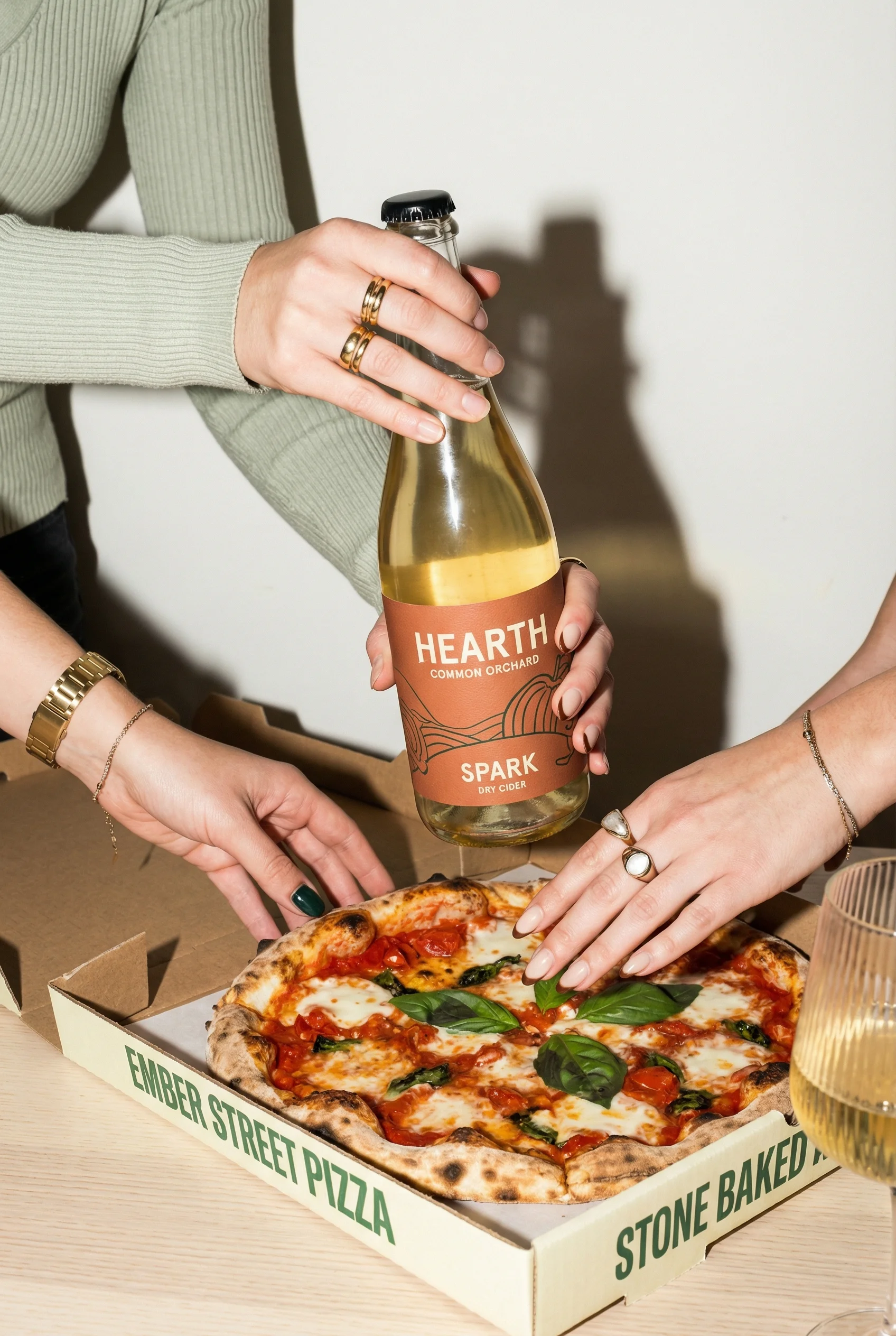
Casual meal scene captures friend-shot UGC energy.
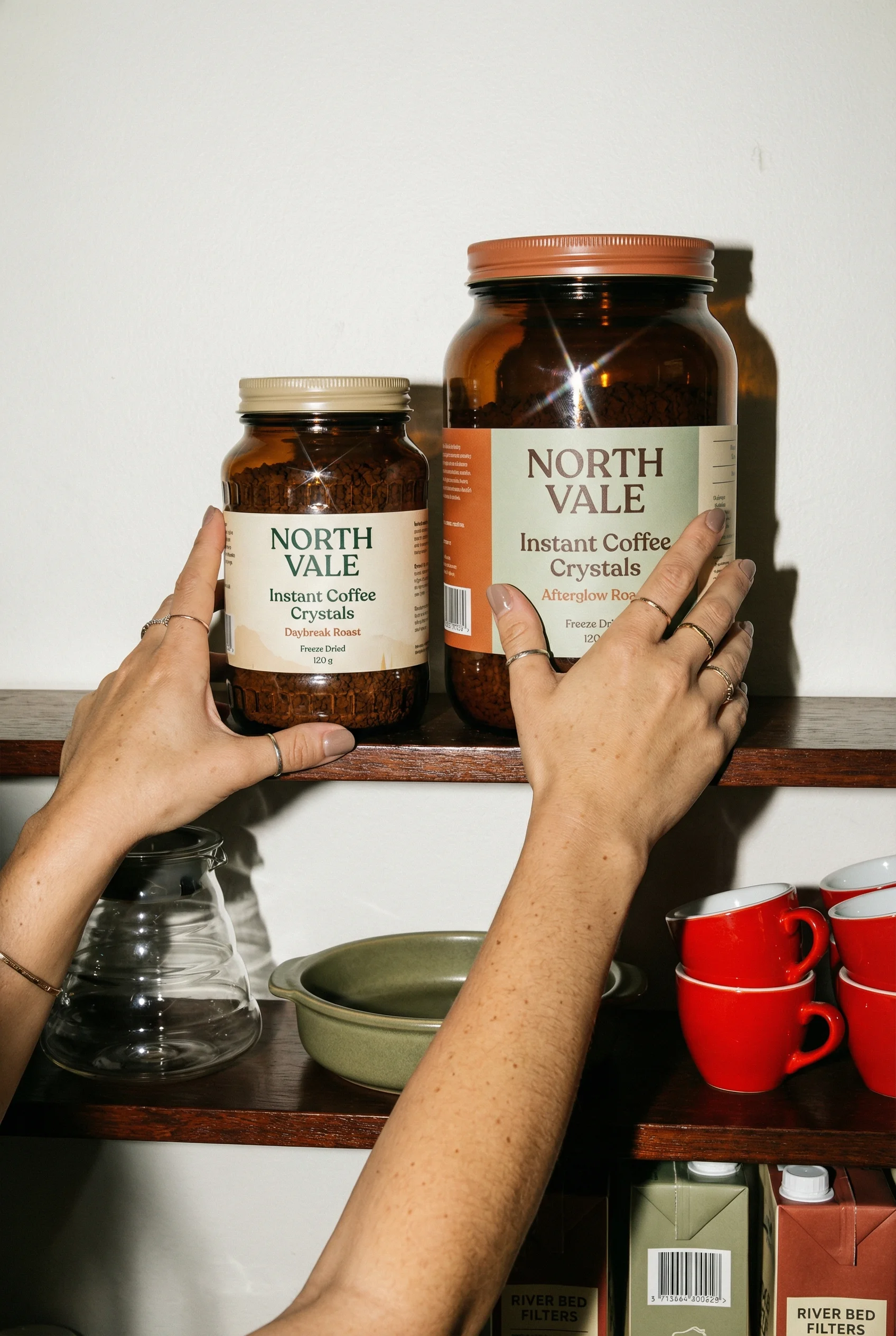
Hands, shelf context, and flash make it feel candid.
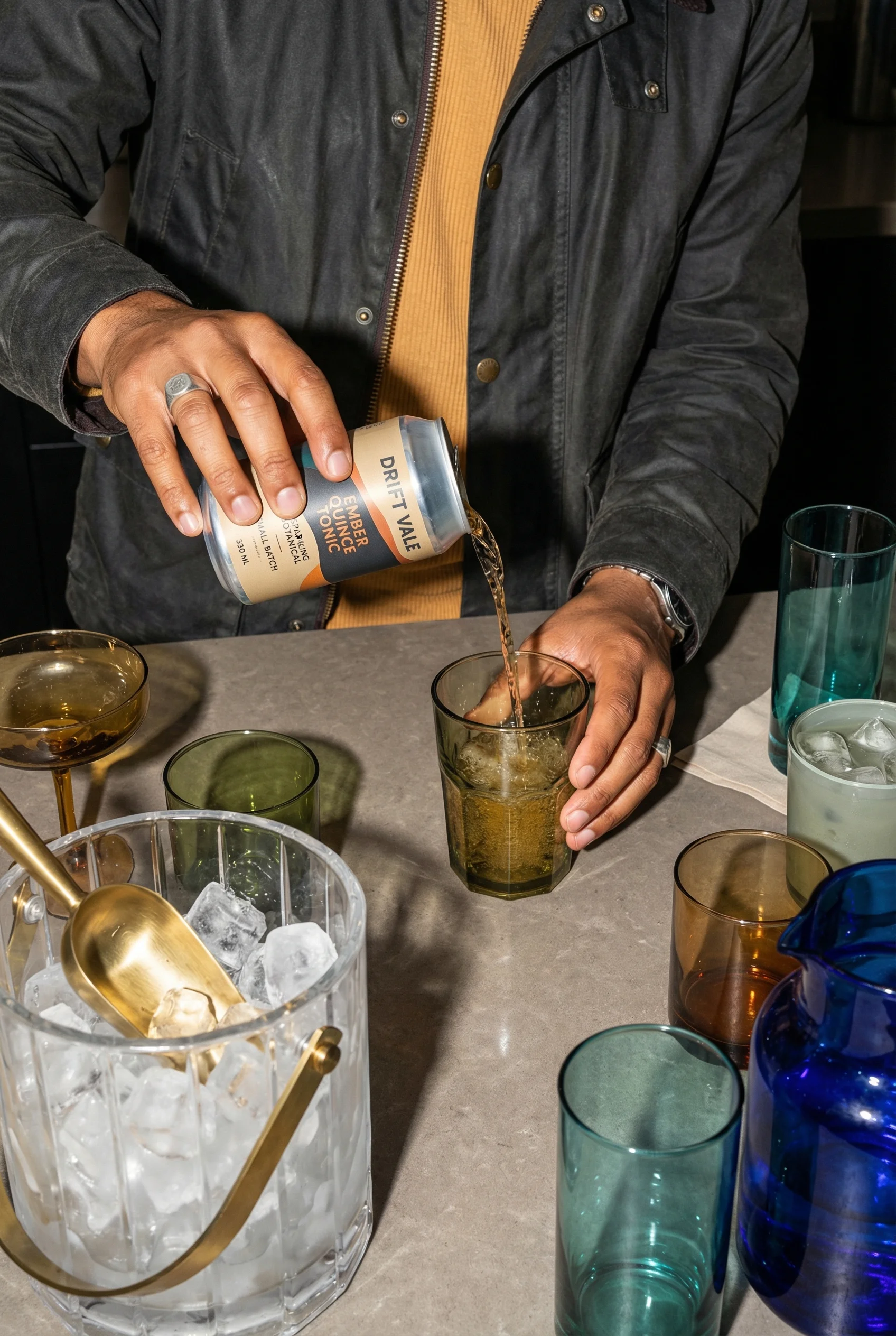
Party-table pour shot fits creator-style product content.
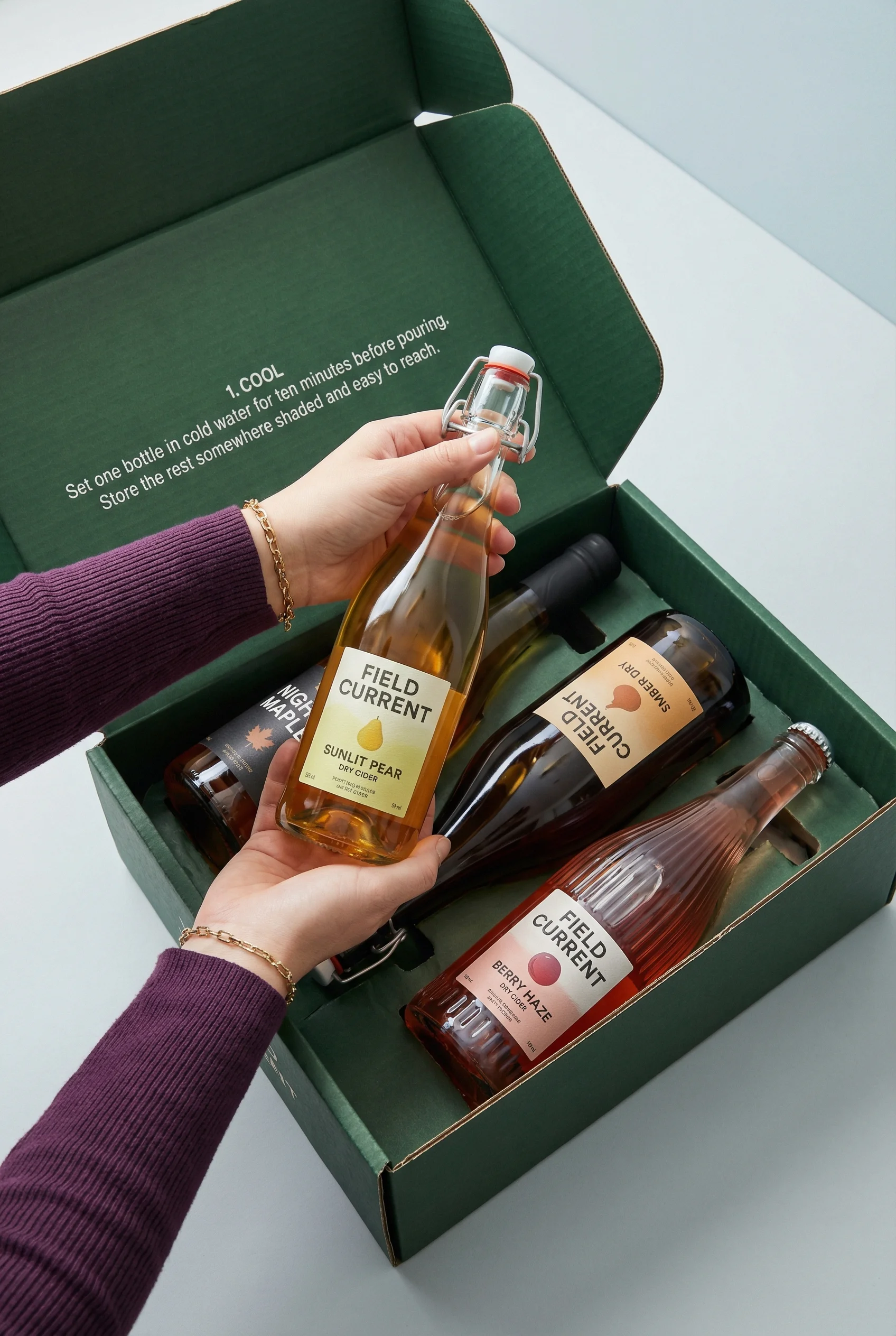
Unboxing context gives the image a casual creator-led feel.
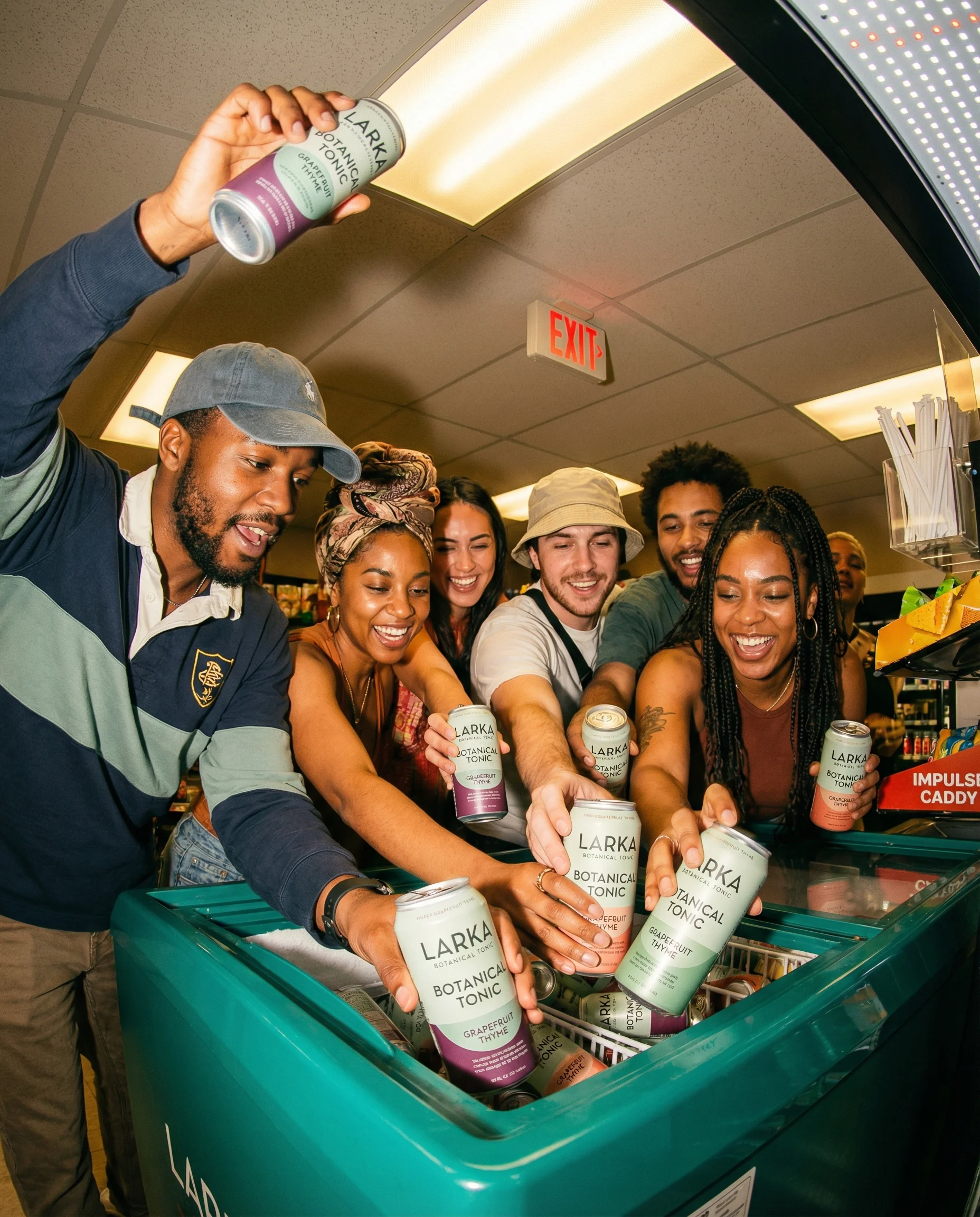
Shared hands and social context mirror informal UGC composition.
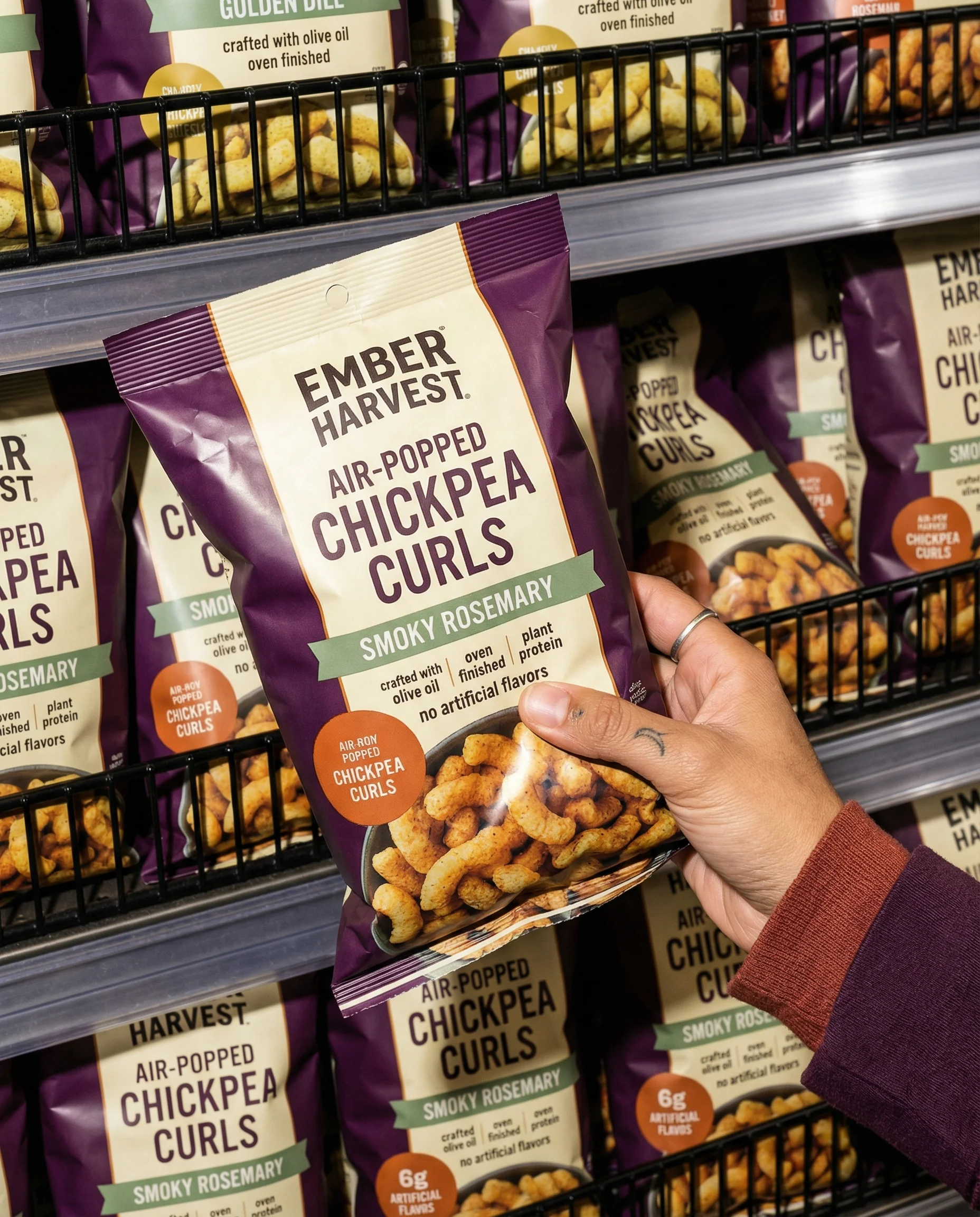
Shelf-side handheld framing feels native to quick social product content.
Build a UGC-style shot list
UGC-style product photography is brand-directed content that looks closer to customer or creator content than studio advertising. The format can be informal, but the product still has to be correct, visible, and appropriate for the claim and channel.
Use this guide when the visual should feel social-native. For tighter hand-scale images, read Product-in-Hand Photography. For more polished, brand-directed context, use Lifestyle Product Photography.
Visual playbook
UGC-style concepts for ecommerce teams
Strong UGC-style images usually show a lived-in moment rather than a polished product setup.
Casual social moment
Food, drink, beauty, and lifestyle brands can use table scenes to make the product feel part of a real occasion.
Use when: Use for paid social, organic posts, creator-style landing pages, and launch content with an informal hook.
Prompt cue
Create a casual phone-camera-style pizza night scene with the supplied cider cans visible, label details preserved, and warm indoor light.
Shelf-side product discovery
A handheld shelf or cupboard image can feel native to social while still showing the product clearly.
Use when: Use for product education, comparison hooks, retail-style discovery, and quick social variants.
Prompt cue
Show the exact instant coffee product being picked from a kitchen shelf with casual flash, visible label, realistic hand scale, and everyday context.
Unboxing context
Packaging, hands, tissue paper, and delivery context can make the product feel newly received without hiding important details.
Use when: Use for post-purchase education, launch content, gifting, subscription products, and creator-style ads.
Prompt cue
Create a casual unboxing scene for this cider pack. Preserve packaging artwork, product count, label visibility, and natural phone-style framing.
Shared hands and social proof
Hands can add energy and scale, but they should not create unsupported claims or obscure the product identity.
Use when: Use for social proof, party scenes, testimonial modules, and paid social tests where approachability matters.
Prompt cue
Create a social table scene with friends reaching for the exact tonic cans. Keep labels visible, colors accurate, and the moment casual but brand-safe.
Brand-safe UGC controls
Choose the right approach
UGC-style review matrix
UGC-style should look relaxed without weakening product truth, brand fit, or claims control.
| Workflow | What to control | Review standard |
|---|---|---|
| Product truth | Current packaging, label, logo, color, scale, product count, variant, and visible claims. | The image should show the correct product even if the framing is casual or partially candid. |
| Creator feel | Phone-style crop, natural light, flash, hands, everyday props, lived-in setting, and imperfect composition. | The image should feel native to the feed without looking messy, confusing, or accidental. |
| Brand boundaries | Allowed rooms, hand styling, faces, props, surfaces, packaging visibility, humor level, and polish level. | The asset should feel more approachable than studio creative while still belonging to the brand. |
| Claim safety | Props, context, action, testimonial cues, regulated language, medical objects, ingredient implications, and safety use. | Nothing in the scene should imply unsupported benefits, unsafe use, or an off-label product claim. |
Riverflow workflow
How this works in Riverflow
UGC-style production benefits from a controlled system because casual framing still has to meet brand, product, and claims standards.
Photoshoots
Use controlled casual scenes
Start from Riverflow's extensive brand-safe Scenes library for creator-style tables, shelves, hands, unboxings, and shared moments, or bring owned UGC-style Scenes from a real shoot. Photoshoots adapts those scenes to new products, while Styles keep the casual look recognizable across tests.
Images
Generate testable social moments
Use Images with Riverflow 2.0 Pro, Google's Nano Banana 2, or OpenAI GPT-Image-2 for text-to-image and image-to-image variations of rooms, hands, flash, product routines, and social-native crops.
Editing
Keep the winning frame useful
Change aspect ratio for ad placements while keeping the image natural, fix product details with Riverflow 2.0 Reference-Based Super Resolution, or Swap product when a creator-style scene works for another SKU.
UGC-style checklist
Before you publish
Review before approving creator-style images
- Product details, packaging, variant, and visible text match the approved reference.
- The product is recognizable at mobile size and not hidden by hands, props, or motion.
- The setting reflects a believable use case for the category and customer.
- The image feels native to the target channel, especially paid social, organic social, or creator-style landing pages.
- Lighting, crop, and composition feel casual without making the asset look low quality.
- Props, environment, and action do not create unsupported claims or safety concerns.
- The brand tone remains recognizable even with looser framing.
- The crop leaves space for testimonial copy, hooks, or callouts when the destination needs text.
What to test in UGC-style images
UGC-style creative is useful because small changes can create large performance differences. Test one variable at a time: phone flash versus natural light, hand-held versus table scene, unboxing versus use moment, messy kitchen versus clean counter, direct product proof versus social occasion, or creator-style crop versus polished brand crop.
Hold the product truth constant. If every test changes the product angle, label visibility, room, hand styling, and hook at once, the team will not know what worked. A good UGC-style testing set feels varied to the viewer but controlled to the marketer.
Riverflow prompt recipe
Create it in Riverflow
Riverflow prompt recipe
Use this structure to turn the strategy into a specific creative brief that keeps the product accurate and the scene useful.
- 1
Input
Attach product references, packaging details, brand rules, channel destination, and examples of UGC-style imagery that fit the brand.
- 2
Scene source
Choose a Riverflow library Scene, an owned custom Scene, or an image reference when the casual room, shelf, unboxing, or table moment is already close to the desired output.
- 3
Control
Define what casual means: allowed rooms, hand presence, flash or daylight, crop looseness, prop types, packaging visibility, and off-limits claims.
- 4
Moment
Brief a real customer or creator moment such as unboxing, holding, pouring, applying, packing, shelf discovery, or sharing with friends.
- 5
Review
Ask Riverflow to preserve product details first, then create a social-native composition that feels believable and brand-safe.
Example prompt
Mistakes to avoid
Confusing casual with careless.
Keep packaging current, product details accurate, scale believable, and brand rules visible even in informal scenes.
Using UGC-style images as a replacement for the whole product gallery.
Use them alongside clean product-on-white, detail shots, lifestyle images, and product information.
Letting props imply claims the brand cannot support.
Review environments, ingredients, medical objects, performance cues, and actions for claim risk before approval.
Making every UGC-style asset look the same.
Test varied moments, crops, hands, lighting, hooks, and settings while keeping the product and brand controls fixed.
FAQ
What is UGC-style product photography?+
It is brand-directed product imagery that borrows the look of creator or customer content: casual framing, everyday settings, hands, routines, and social-native crops.
Should UGC-style images look lower quality?+
No. They should feel approachable and native to social feeds, but the product still needs to be accurate, visible, and brand-safe.
When should UGC-style images not be used?+
Avoid them when the channel requires clean product inspection, when the category needs strict compliance presentation, or when casual framing would make the brand feel less credible.
What should stay constant across UGC-style tests?+
Keep SKU, packaging, label visibility, claim rules, crop destination, and one main creative variable controlled so performance learnings are not muddied by product inconsistency.
Start creating
Get started with on-brand visuals
Turn guide ideas into product-accurate creative in Riverflow, using your brand, products, scenes, styles, and channel crops from the start.
Your catalog into campaign-ready Creative
Riverflow connects your products, brand rules and creative workflows so your team can create on-brand photoshoots, ads, videos and edits across every campaign.